Understanding Employee Gamification
What is Employee Gamification?
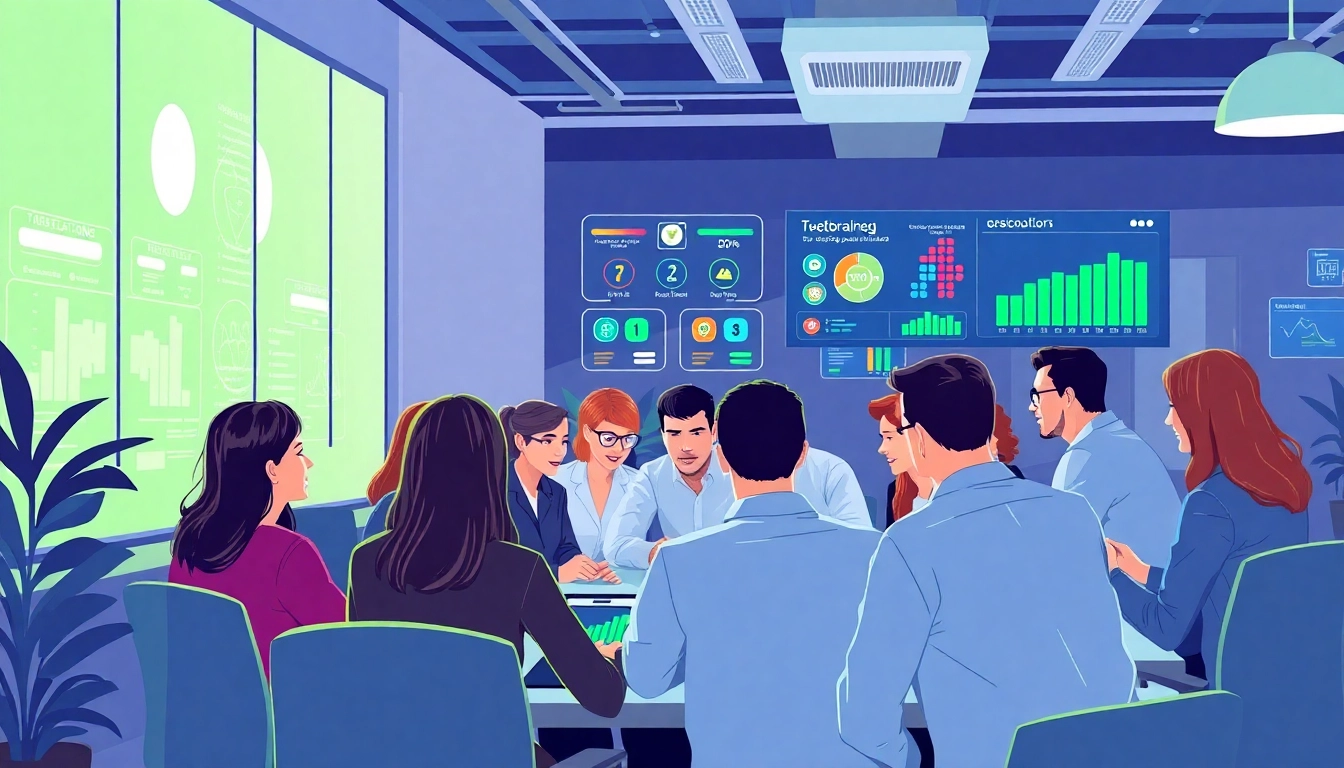
Employee gamification is the application of game-design elements and principles in a non-gaming context, specifically within the workplace. By integrating aspects like point scoring, leaderboards, and rewards into daily tasks, organizations can make work more engaging and motivating. The primary aim is to promote employee engagement and enhance productivity by making routine tasks feel more like enjoyable challenges.
Modern businesses are increasingly adopting this strategy, utilizing employee gamification to not only improve performance but also boost morale and job satisfaction among employees. Combining technology with innovative engagement strategies can lead to significant business outcomes.
The Psychology Behind Gamification Techniques
Understanding the psychological drivers behind gamification is critical for its successful implementation. Game mechanics, such as rewards, challenges, and feedback loops, leverage intrinsic motivation by satisfying core psychological needs. One key concept is the Self-Determination Theory (SDT), which posits that people are motivated by the need for competence, autonomy, and relatedness.
For instance, providing employees with opportunities to earn badges or points taps into their desire for competence, while allowing them to set their own goals supports their need for autonomy. Moreover, creating social interactions within gamified environments can foster relatedness, improving teamwork and collaboration among employees.
Benefits of Employee Gamification for Organizations
The benefits of implementing employee gamification strategies span various dimensions of organizational performance:
- Improved Engagement: Gamification transforms mundane tasks into exciting challenges, encouraging employees to participate actively.
- Enhanced Productivity: When employees are motivated to perform, overall productivity levels can see a significant increase.
- Better Retention Rates: Employees who feel engaged are less likely to leave their jobs, reducing turnover costs.
- Data-Driven Insights: Companies can gather valuable data regarding employee performance and behaviors, enabling targeted improvements.
- Fostering a Positive Culture: Incorporating game elements into the workplace can foster a sense of community and friendly competition, enhancing workplace culture.
Common Challenges in Implementing Employee Gamification
Identifying Barriers to Success
While gamification offers numerous advantages, organizations often face challenges during implementation:
- Lack of Clear Objectives: Without defined goals, gamification efforts may seem unfocused and ineffective.
- Insufficient Support: Lack of buy-in from management or insufficient resources can hinder successful gamification initiatives.
- Disconnection from Company Values: Gamification strategies that do not align with the organization’s values may be viewed as superficial or disingenuous.
Employee Resistance to Gamification
Resistance from employees can stem from skepticism about the effectiveness of gamification or discomfort with competition. Some employees may feel that gamification diminishes the value of their work or may view it as an unwelcome stressor rather than a motivator.
How to Overcome Implementation Obstacles
Overcoming these barriers requires a strategic approach:
- Set SMART Goals: Define specific, measurable, achievable, relevant, and time-bound objectives for your gamification strategy.
- Engage Employees Early: Involve employees in the planning stage for buy-in and to address concerns directly.
- Communicate Effectively: Ensure that employees understand the purpose of gamification and its benefits for both them and the organization.
Best Practices for Successful Employee Gamification
Designing Effective Gamification Strategies
A successful gamification strategy integrates various elements that appeal to employees. Here are some best practices:
- Personalization: Tailor gamification elements to individual preferences and work styles to enhance engagement.
- Clear Reward Systems: Develop transparent reward systems that are clearly communicated and consistently applied.
- Regular Feedback: Provide immediate feedback to employees on their performance to keep them motivated and informed of their progress.
Measuring Engagement and Performance Metrics
To accurately evaluate the effectiveness of your gamification strategy, it’s important to measure relevant metrics:
- Participation Rates: Track how many employees are engaging with the gamification elements.
- Performance Improvement: Analyze data on key performance indicators before and after implementing gamification.
- Employee Feedback: Regularly solicit feedback to assess employee perceptions and feelings about the gamification strategy.
Examples of Effective Gamification in the Workplace
Many organizations have successfully implemented gamification strategies, yielding impressive results:
- Deloitte: This professional services firm uses gamification in its leadership training programs to foster participation and learning.
- McDonald’s: The company utilized a gamified training program for new employees to make learning about their roles engaging and interactive.
- Microsoft: Introduced gamification elements in its sales departments to encourage competition and drive productivity, resulting in higher sales performance.
Advanced Techniques in Employee Gamification
Using Technology for Enhanced Gamification
Technology plays a pivotal role in scaling gamification initiatives. Utilizing mobile applications, wearable devices, and cloud-based platforms can enhance accessibility and engagement, making gamification an integral part of daily work routines.
Integrating Social Features into Gamified Systems
Social interactivity in gamified systems can significantly amplify employee engagement. Incorporating elements like team challenges, collaborative tasks, and social recognition can foster stronger relationships and enhance teamwork among employees.
Future Trends in Employee Gamification
The future of employee gamification is bright, with several emerging trends likely to shape its development:
- Increased Personalization: As technologies evolve, employees may see more tailored experiences that adapt to individual preferences and performance.
- AI-Driven Gamification: Artificial intelligence will likely enable the creation of highly responsive gamification systems that adapt in real-time to employee performance.
- Cross-Platform Integration: Future gamification efforts may see greater integration with various workplace tools and platforms, creating seamless experiences.
Case Studies of Employee Gamification Success
Real-World Examples of Gamification Impact
Several organizations have documented the impact of gamification on their operations:
- Salesforce: Used gamification to improve sales team performance, leading to a 20% increase in quotas met.
- Fujitsu: Implemented a gamified training program resulting in a 50% higher completion rate of training modules.
Lessons Learned from Successful Implementations
Analyzing successful case studies, several lessons emerge:
- Sustainability: Gamification initiatives must be continuously updated to maintain employee interest and participation.
- Focus on Culture: Ensure that gamification aligns with organizational culture to be perceived as a valuable tool rather than a gimmick.
Scaling Gamification Across Organizations
As gamification practices prove successful within certain departments, scalability becomes vital. Organizations looking to expand their gamification efforts should:
- Involve Stakeholders: Include different departments in discussions to cater to a wide range of employee needs.
- Assess the Impact: Closely monitor and evaluate the effectiveness of scaled efforts to ensure continued alignment with organizational goals.