Understanding Sports Broadcasting Fundamentals
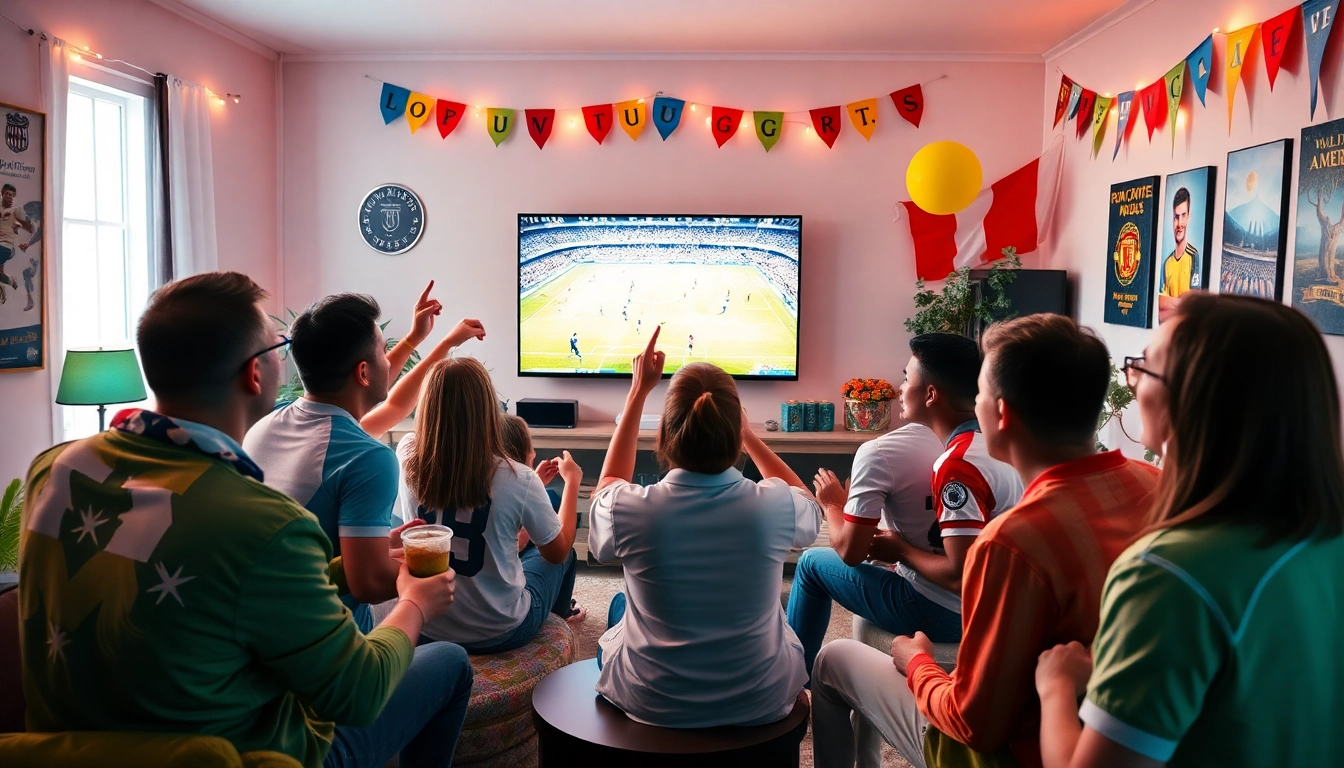
Sports broadcasting is an intricate field that combines the booming world of sports with the dynamics of media. It serves as a bridge, connecting fans with their favorite sports and athletes, all while bringing the excitement of live events right into their living rooms or mobile devices. Familiarity with the various elements of Sports Broadcasting paves the way for understanding how this sector operates and thrives.
The Evolution of Sports Broadcasting
Since the inception of sports broadcasting in the early 20th century, where radio broadcasts were a novelty, the industry has undergone transformative changes. Early radio broadcasts set the stage, eventually transitioning into television broadcasts, which became a primary medium for sports. Today, we see a significant shift towards digital platforms, where streaming services and social media take center stage. Each transition has reshaped not only how games are viewed but also how audiences engage with their favorite sports.
Key Components of Sports Broadcasting
The broadcasting of sports involves several key components, each crucial to delivering a seamless experience. These components include production, commentary, and technical execution. Production teams carefully coordinate the logistics of live events, ensuring smooth transitions and maintaining quality content flow. Commentary provides the narratives that engage audiences, while technical teams handle the complex array of equipment and technology that enables high-definition broadcasts.
Roles and Responsibilities in Broadcast Teams
A successful sports broadcast requires a harmonious team effort. Broadcasters, producers, camera operators, and technical experts each bring their skills to the table. Broadcasters are often the charismatic figures who provide live commentary, while producers orchestrate the overall presentation. Camera operators work behind the scenes, capturing the action, and technical support ensures the broadcast runs without hitches. Understanding these roles helps appreciate the complexities involved in sports broadcasting.
Best Practices for Effective Sports Broadcasting
To excel in sports broadcasting, adhering to best practices is essential. Whether you’re new to the field or a seasoned professional, these strategies will enhance your broadcasting effectiveness and engage your audience.
Techniques for Engaging Commentary
Engaging commentary is a cornerstone of sports broadcasting. Successful commentators utilize storytelling techniques to create vivid narratives that keep viewers enthralled. Modulating voice tone, incorporating humor, and understanding audience psychology all play roles in delivering impactful commentary. Moreover, expert commentary that includes statistical insights can significantly enhance viewer engagement, making each game not just a visual experience but also an educational one.
Utilizing Technology in Sports Broadcasting
The impact of technology on sports broadcasting cannot be overstated. From instant replay systems to augmented reality graphics, technological advancements enrich the viewing experience. High-definition broadcasts offer clearer visuals, while innovations like drones and multi-angle views provide unique perspectives. Moreover, audience interaction tools such as live polling and chats can engage fans in real-time, making them feel part of the action.
Building Audience Connection and Loyalty
Connecting with the audience goes beyond delivering content; it’s about building relationships. Broadcasters can foster loyalty through consistent engagement on social media, where they can share insights, respond to queries, and create polls. This two-way interaction cultivates a sense of community among viewers. Additionally, being responsive to audience feedback and trends allows broadcasters to adapt their styles and content, which can significantly enhance viewer retention.
Sports Broadcasting Formats and Platforms
The landscape of sports broadcasting is constantly evolving, influenced by audience preferences and technological advancements. As a consequence, understanding the various formats and platforms is essential for broadcasters.
Traditional Broadcasting vs. Digital Streaming
Traditional broadcasting, primarily through television networks, has been the bedrock of sports broadcasting for decades. However, the rise of digital streaming platforms has disrupted this model immensely. Viewers now have the flexibility to watch sports on-demand, leading broadcasters to find a balance between traditional methods and modern digital solutions. This evolution raises questions about monetization, audience reach, and content delivery strategies.
Different Formats in Sports Broadcasting
Sports broadcasts can take various formats, including live telecasts, highlights, analyses, and pre- and post-game shows. Each format serves a unique purpose and appeals to different audience segments. Live broadcasts capture the immediacy of the action, whereas highlights offer concise summaries of key moments for viewers short on time. Analytical programs educate fans on strategies and player performance, deepening their understanding of the sport.
Adapting to Audience Preferences
One of the critical aspects of successful sports broadcasting is adapting to audience preferences. Understanding demographic shifts, such as the younger audience’s preference for web-based content versus traditional TV, is vital for content creators. Engaging interactive features, such as fan voting on player bonuses or interactive statistics during the game, can provide tailored experiences, ultimately enhancing viewer satisfaction and loyalty.
Evaluating Sports Broadcasting Performance
Success in sports broadcasting is not solely measured by viewer numbers. Analyzing performance through various metrics can guide improvements and strategies for future broadcasts.
Key Metrics for Success in Sports Broadcasting
Key performance indicators (KPIs) play an essential role in evaluating sports broadcasts. Metrics such as audience ratings, demographic breakdowns, viewership duration, and social media engagement are crucial. These numbers help broadcasters understand which segments resonate most with audiences and outline areas needing improvement. Evaluating data over several broadcasts can yield valuable insights into trends and audience preferences.
Analyzing Audience Engagement and Reach
Engagement metrics offer a deeper understanding of how well broadcasts resonate with viewers. Tools for measuring social media interactions, comments, and shares provide qualitative insights. Additionally, website traffic analyses can reveal how many people visit related content and how these figures correlate with broadcast success. A comprehensive view of engagement allows teams to refine their strategies and enhance future broadcasts significantly.
Continuous Improvement Strategies
The landscape of sports broadcasting is always changing, necessitating continual adaptation and improvement. Regular feedback loops, where broadcasters solicit viewer input, can direct future content decisions. Moreover, industry trends, like shifts towards greater interactivity or innovative storytelling techniques, should be monitored constantly to stay ahead. Adopting an agile approach ensures that broadcasters can respond quickly to new audience needs and preferences.
FAQs About Sports Broadcasting
What skills are essential for sports broadcasters?
Effective communication, analytical thinking, and extensive sports knowledge are crucial for sports broadcasters to convey insights and stories effectively.
How has technology changed sports broadcasting?
Technological advancements enable higher-quality visuals, more interactive viewing experiences, and real-time data that enrich audience engagement during broadcasts.
What are the main platforms for sports broadcasting?
Traditional television and digital platforms like streaming services serve as primary channels for sports broadcasts, each catering to different audience needs.
How do broadcasters engage with their audience?
Broadcasters enhance audience engagement through social media interaction, live chats, on-screen polls, and behind-the-scenes content, fostering a community feel.
What trends are shaping the future of sports broadcasting?
Significant trends influencing sports broadcasting include increased personalization, virtual reality experiences, and the growing prominence of esports and competitive gaming.