Understanding Precision Machining in Malaysia
In today’s competitive manufacturing landscape, precision machining has emerged as a fundamental process that ensures the production of high-quality components across various industries. In Malaysia, this sector is rapidly evolving, supported by advanced technologies and a skilled workforce. With the country’s position as a key player in the Southeast Asian manufacturing hub, understanding the nuances of precision machining is vital for businesses aiming to leverage these capabilities. Aspects like sustainability, technological advancements, and the need for cost-effectiveness drive the demand for precision machining services. For companies looking to improve their operations, exploring precision machining malaysia offers valuable insights into local expertise and capabilities.
What is Precision Machining?
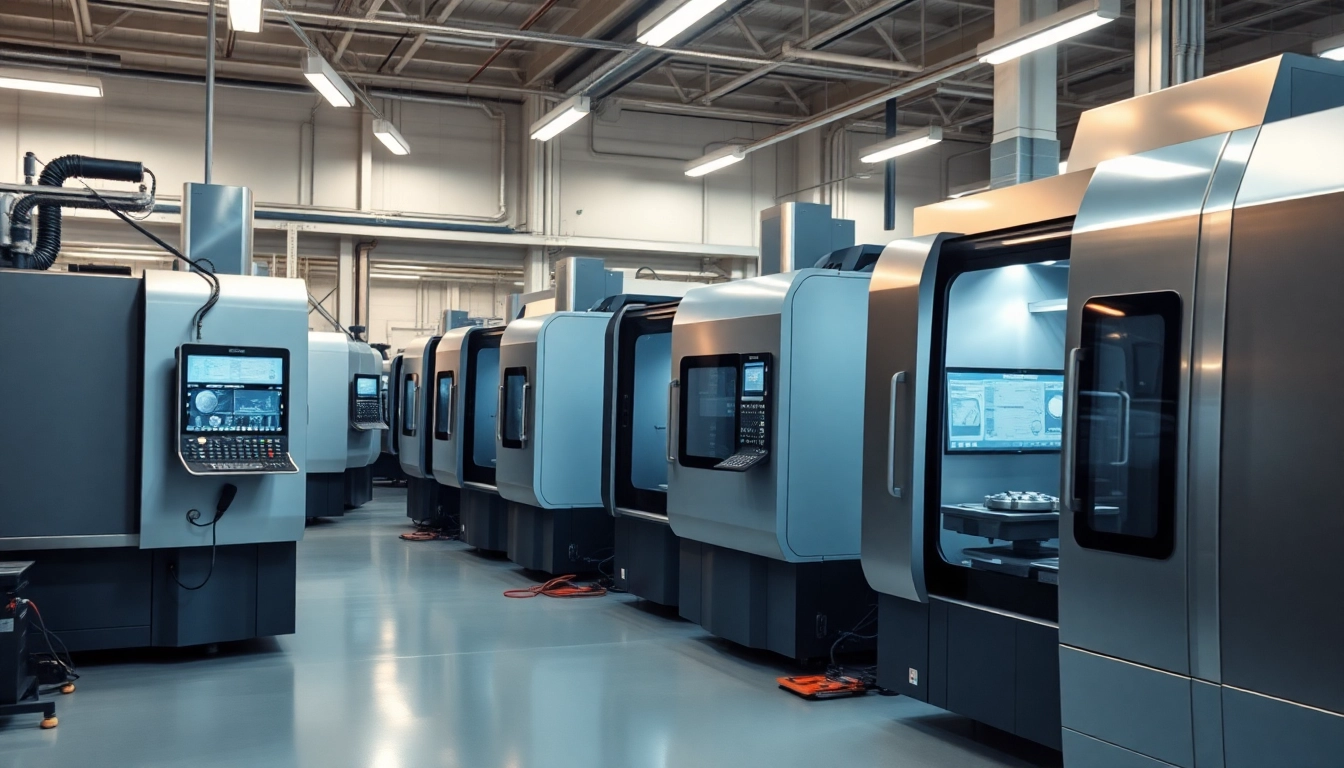
Precision machining refers to the manufacturing process that involves the removal of material to create components with exact dimensions and superior surface finishes. Techniques such as CNC (Computer Numerical Control) machining, turning, milling, and grinding are commonly utilized within this field to achieve the required tolerances. The primary objective of precision machining is to ensure high accuracy and repeatability, which is essential in applications ranging from aerospace to medical devices.
The Role of Precision Machining in Modern Manufacturing
In modern manufacturing, precision machining plays a pivotal role in enhancing product quality and efficiency. It allows for the production of intricate designs that are difficult or impossible to achieve with traditional manufacturing processes. This capability is crucial for industries such as automotive, aerospace, and electronics, where component reliability directly impacts overall performance. Furthermore, precision machining supports lean manufacturing practices by minimizing waste and optimizing resource utilization.
Key Technologies in Precision Machining
The evolution of precision machining technologies has led to significant advancements, making the process faster and more efficient. Key technologies include:
- CNC Machining: Automates the machining process, allowing for complex designs and faster production rates.
- 3D Printing: Offers rapid prototyping capabilities, enabling manufacturers to test designs before full-scale production.
- Laser Cutting: Provides high precision in cutting various materials, ideal for intricate designs.
- Wire EDM (Electrical Discharge Machining): Used for precise cutting of hard materials, essential in tool making and aerospace applications.
Benefits of Precision Machining Services
Enhanced Product Quality and Consistency
One of the foremost benefits of precision machining is its ability to produce components with exceptional quality and consistency. In industries where even slight deviations can lead to product failure, the accuracy achieved through precision machining techniques significantly reduces the risk associated with manufacturing errors. This quality assurance not only boosts customer satisfaction but also enhances brand reputation.
Cost Efficiency through Precision Machining
While initial investments in precision machining equipment can be significant, the long-term cost benefits often outweigh these expenses. Enhanced efficiency and reduced waste result in lower production costs over time. Additionally, by minimizing the need for rework or scrap due to defects, companies can achieve higher profit margins. Precision machining also allows for quick adjustments in production runs, enabling manufacturers to respond swiftly to market demand changes.
Customization Capabilities for Diverse Industries
Precision machining offers unparalleled customization capabilities, allowing manufacturers to create components that meet specific industry needs. This flexibility is especially valuable in sectors where standards continually evolve, such as the aerospace and medical fields. Manufacturers can easily modify designs, materials, and production techniques to accommodate unique client requirements, thereby enhancing their competitive edge.
Challenges in Precision Machining Practices
Common Misconceptions About Precision Machining
Despite its advantages, misconceptions about precision machining can hinder its adoption. A common misconception is that precision machining is only necessary for high-tech industries. In reality, many sectors can benefit from precision machining, including those producing everyday consumer goods. Understanding its versatility can help broaden its application across various domains.
Overcoming Resource and Skill Constraints
Implementing precision machining practices can be challenging, particularly for organizations with limited resources or expertise. The requirement for skilled machinists and engineers is paramount; therefore, investing in training and development is critical for success. Additionally, small and medium-sized enterprises (SMEs) may find it difficult to access the latest technology, which can be mitigated through partnerships or collaborations with established manufacturers.
Addressing Supply Chain Issues in Manufacturing
Precision machining relies heavily on a robust supply chain to ensure the availability of high-quality raw materials and components. Recent global events have highlighted vulnerabilities within supply chains, necessitating a reevaluation of sourcing strategies. Companies must consider diversifying their supply chains and establishing stable relationships with multiple suppliers to mitigate risks and improve resilience.
Future Trends in Precision Machining Malaysia (2025 and Beyond)
Adopting Smart Technologies and Industry 4.0
The digital transformation within the manufacturing sector is strongly influencing precision machining practices. The adoption of smart technologies, including IoT (Internet of Things) and AI (Artificial Intelligence), is set to revolutionize operations by enabling real-time monitoring, predictive maintenance, and enhanced data analytics. By 2025, manufacturers leveraging these technologies will likely experience reduced downtime and improved production efficiency.
Sustainability Practices in Machining Processes
Sustainability is increasingly becoming a priority in manufacturing, with precision machining being no exception. Future practices will likely emphasize energy-efficient processes and the use of eco-friendly materials. Companies focusing on sustainable machining practices can not only comply with regulations but also appeal to a growing consumer base that values environmentally responsible production methods.
The Impact of Global Market Changes on Precision Machining
Global market dynamics will significantly influence the future of precision machining in Malaysia. Factors such as trade agreements, economic shifts, and technological advancements will impact manufacturing strategies and capabilities. Businesses must remain agile and prepared to adapt to these changes to maintain their competitive edge in the marketplace.
Selecting the Right Precision Machining Partner
Evaluating Expertise and Capabilities
Choosing the right precision machining partner is critical for achieving optimal results. Organizations should evaluate potential partners based on their technical expertise, machinery capabilities, and experience in specific industry sectors. A thorough assessment can help ensure alignment with project requirements and expectations.
Importance of Certifications and Quality Standards
When selecting a precision machining partner, it is essential to consider their adherence to quality standards and certifications. ISO certifications, for example, indicate a commitment to quality management and regulatory compliance. Businesses should prioritize partners with proven track records of quality assurance to mitigate risks associated with manufacturing defects.
Building Long-Term Partnerships with Precision Manufacturers
Establishing robust, long-term partnerships with precision manufacturers can yield significant benefits, including preferential pricing, priority access to new technologies, and enhanced support. Collaborative relationships foster innovation and allow companies to respond more effectively to changing market demands, ultimately driving growth and success.