Understanding Computer Recycling Reading
The ever-increasing volume of electronic waste, coupled with the rapid pace of technological advancements, has made computer recycling a crucial aspect of environmental sustainability. As we upgrade our devices, the question arises: how do we responsibly dispose of our old computers? In Reading, this process has become more accessible, making it easier for residents to engage in environmentally friendly practices. With local initiatives and facilities available, participating in computer recycling reading has tangible benefits for the community and the planet.
What is Computer Recycling?
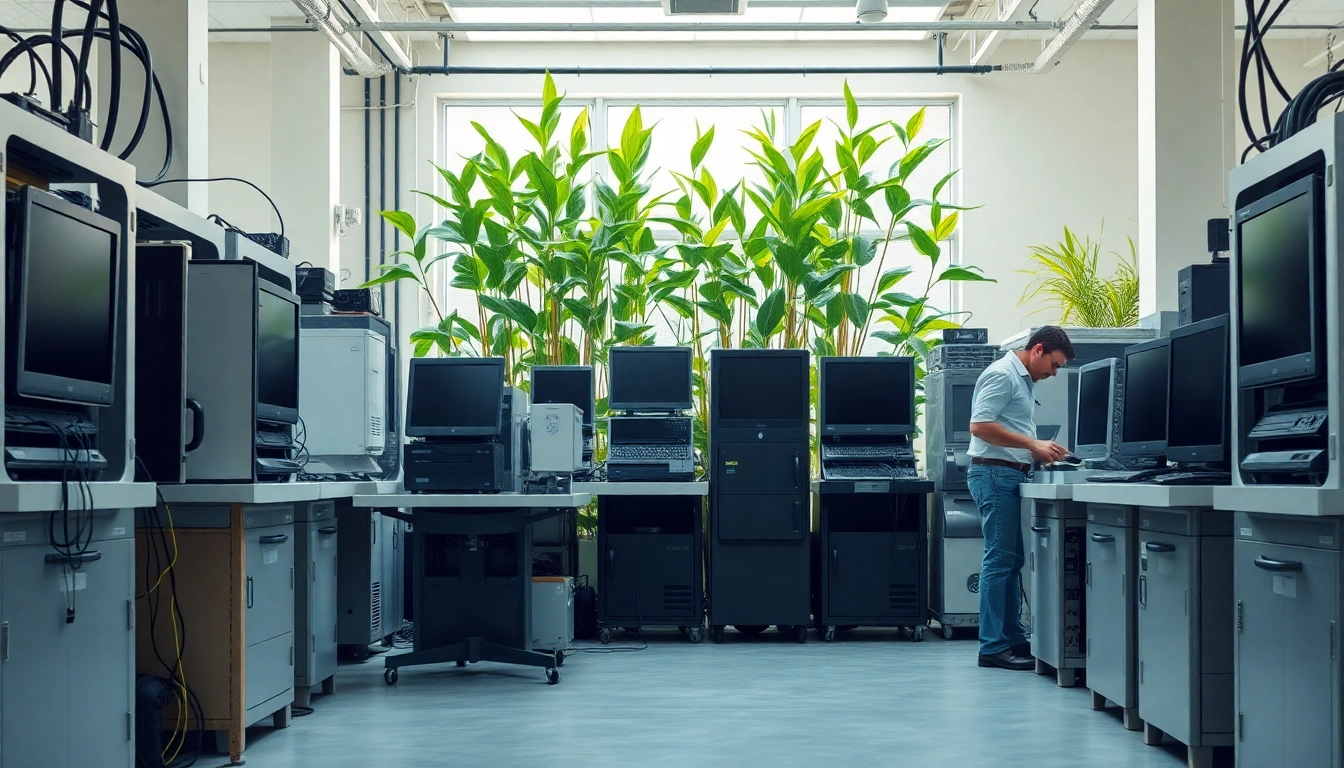
Computer recycling involves the proper disposal and recovery of components from old computers. It encompasses the collection, dismantling, and processing of electronic equipment to reclaim valuable materials such as metals, plastics, and glass. The recycling process also ensures that hazardous materials, including lead and mercury, are handled appropriately to minimize their environmental impact.
The Importance of Proper Disposal
Improperly discarded electronic devices can lead to severe environmental hazards. Components in computers often contain toxic substances that can leach into the soil and water, posing health risks to humans and wildlife alike. Therefore, proper disposal methods are essential not only for compliance with regulations but also for community health and environmental protection.
Benefits of Computer Recycling Reading
Engaging in computer recycling in Reading offers numerous benefits. Firstly, it promotes the conservation of natural resources by allowing reusable materials to be reclaimed and repurposed. Secondly, it reduces the overall carbon footprint by minimizing the energy required for the extraction and production of new materials. Lastly, recycling initiatives can bolster local economies by creating jobs in collection, processing, and refurbishing.
How to Recycle Your Computer in Reading
Finding Local Recycling Centers
Residents of Reading have access to several designated recycling centers that specialize in electronic waste. Many of these centers accept a wide variety of devices, including desktops, laptops, monitors, and peripherals. It’s essential to research nearby locations to understand their specific protocols for drop-off, and to ensure they adhere to safe recycling practices.
Drop-Off vs. Pick-Up Services
When considering the best way to recycle your computer, options typically fall into two categories: drop-off and pick-up services. Drop-off services require you to transport your old electronics to designated locations, providing a hands-on approach to ensure proper recycling. On the other hand, pick-up services can be immensely convenient, allowing you to schedule a collection from your home or office. Both methods have their pros and cons, which you should weigh based on your personal circumstances.
What to Prepare for Recycling
Before recycling your computer, it’s essential to prepare your device adequately. This preparation includes backing up important data, removing personal information, and cleaning out any unnecessary files. Additionally, you should gather any components or accessories, such as cables and peripherals, that need to be recycled together with the device. Proper preparation not only protects your data but also ensures a smoother recycling process.
Common Misconceptions About Computer Recycling
Myths Debunked
Common misconceptions about computer recycling often deter individuals from participating. Many believe that recycling programs are expensive or inconvenient; however, most local initiatives are free and easy to access. Another myth is that donated or recycled computers end up in landfills—the reality is that reputable recycling centers strive to prevent landfill overflow and promote sustainable practices.
Understanding Data Security Concerns
Data security is a prevalent concern when it comes to recycling computers. Many individuals worry that their personal information could be compromised during the recycling process. However, certified recyclers typically provide data destruction services to ensure all information is irretrievable, giving consumers peace of mind. It’s crucial to choose a trusted recycling center that implements robust data security measures.
Environmental Impact of E-Waste
The environmental impact of electronic waste is profound and multifaceted. Beyond the immediate risks associated with toxic materials, e-waste contributes significantly to the growing problem of landfill overflow. When properly recycled, valuable materials are recovered, significantly reducing the demand for new resources and energy, which correspondingly reduces overall greenhouse gas emissions.
Best Practices for Responsible Recycling
Preparing Electronics for Recycling
Preparing your electronics for recycling is imperative for ensuring a streamlined process. This preparation involves removing batteries, backing up data, de-manufacturing, and ensuring that components are clean and intact. Being systematic in the preparation stage enhances the effectiveness of recycling initiatives and ensures that electronics are processed safely and efficiently.
Working with Certified Recyclers
Choosing certified recyclers is vital to guarantee that your electronic waste is handled responsibly. Certified facilities follow industry standards and regulations and are committed to environmentally sound practices. They often provide services such as secure data wiping, reliable recycling protocols, and thorough reporting on the disposal of electronic waste.
Community Recycling Initiatives
Many local communities in Reading promote recycling initiatives aimed at raising awareness about the importance of e-waste management. Engaging in these initiatives not only presents an opportunity to recycle old computers and electronics but also encourages community bonding by providing workshops and educational resources about responsible disposal practices.
FAQs About Computer Recycling Reading
What items can I recycle?
You can typically recycle computers, monitors, laptops, keyboards, mice, and other peripherals. Always check with local centers for specific guidelines.
Is recycling my old computer safe?
Yes, when done through certified recyclers who follow proper protocols, recycling your computer is safe and environmentally beneficial.
Are there fees for recycling electronics?
Most local recycling centers offer free recycling services, but it’s advisable to confirm beforehand as policies may vary.
How do I ensure my data is safe?
To ensure data safety, choose certified recyclers that provide secure data destruction services, such as data wiping and physical destruction of storage devices.
Can businesses recycle computers?
Yes, businesses can recycle computers as well; many recycling centers offer specialized services for commercial equipment and bulk recycling.