
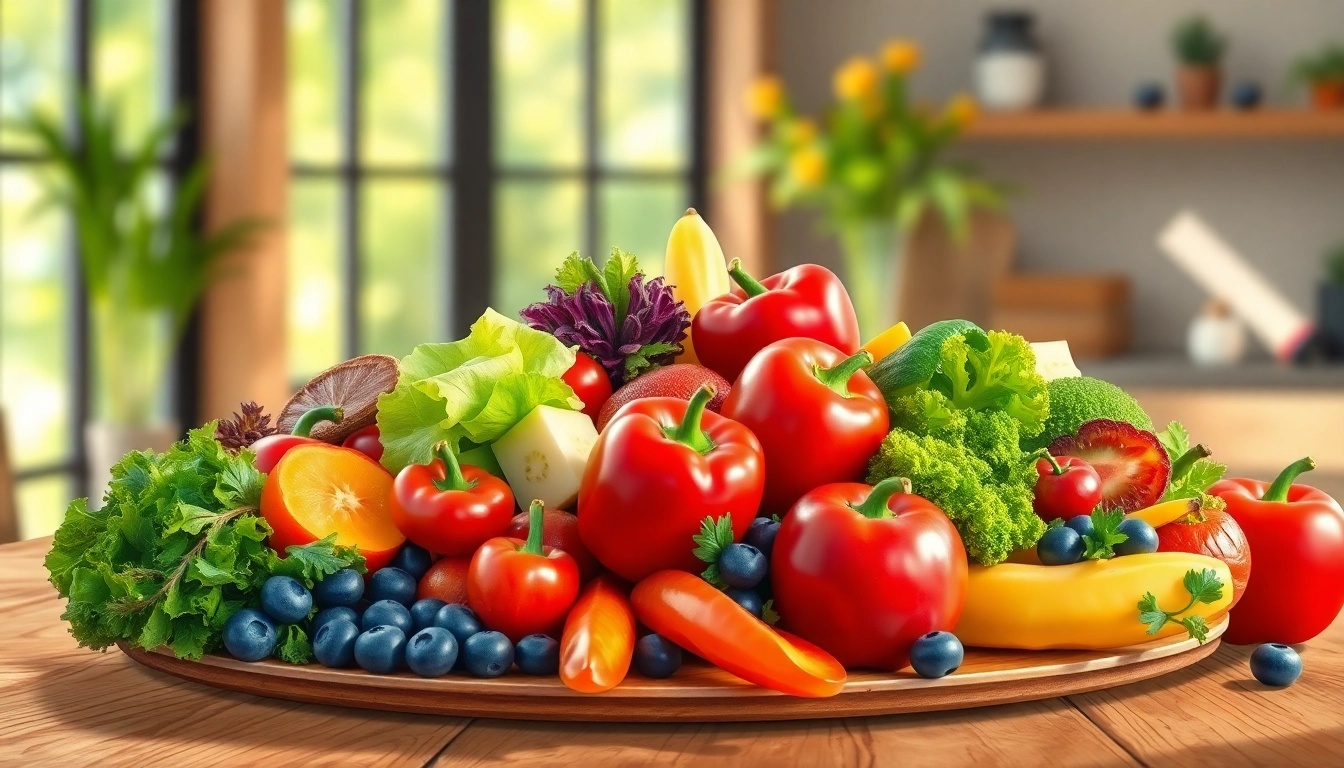
Understanding the Basics of Healthy Food
In today’s fast-paced world, the importance of maintaining a balanced diet and making healthy food choices has never been more critical. As we prioritize our health, it’s essential to understand what constitutes healthy food, the significance of nutrient balance, and common misconceptions surrounding healthy eating. This comprehensive guide will delve into the fundamentals of healthy food and provide actionable insights that you can implement in your daily life. For more on healthy eating, explore resources on Healthy Food.
What Makes Food Healthy?
Healthy food is defined not just by its calorie count but also by its nutrient composition. A healthy food choice generally includes a multitude of vitamins, minerals, antioxidants, and dietary fiber, while being lower in processed sugars, saturated fats, and sodium. Foods that are minimally processed, such as whole fruits, vegetables, grains, legumes, nuts, and seeds, are often considered in their healthiest forms.
For instance, fruits like berries are rich in antioxidants that combat oxidative stress, while vegetables like spinach are high in iron and vitamins necessary for energy production and overall health. The absence of artificial ingredients, preservatives, and excessive processing in these foods contributes to their classification as healthy options.
The Importance of Nutrient Balance
A crucial aspect of healthy eating is maintaining a balanced intake of nutrients. A balanced diet typically includes the right proportions of carbohydrates, proteins, fats, vitamins, and minerals. The macronutrients—carbohydrates, proteins, and fats—provide energy, while micronutrients such as vitamins and minerals support various bodily functions.
To achieve a nutrient balance, it’s essential to consume a diverse array of foods from all food groups. This includes incorporating whole grains (such as brown rice and quinoa), lean proteins (like chicken, fish, and legumes), and healthy fats (found in avocados and nuts). Understanding the role each nutrient plays in your body can empower you to make better food choices every day.
Common Misconceptions about Healthy Eating
Despite the growing awareness about healthy eating, several misconceptions still prevail. One common myth is that healthy food is inherently bland or time-consuming to prepare. In reality, healthy meals can be delicious, colorful, and quick to prepare using fresh, seasonal ingredients.
Another misconception is the belief that all fats are bad for you. While it’s true that some fats, particularly trans fats found in processed foods, should be avoided, healthy fats found in avocados, nuts, and olive oil can be beneficial. Understanding these nuances can help individuals embrace healthy food choices without feeling deprived.
Top 10 Healthy Foods to Incorporate into Your Diet
To support a balanced, nutritious diet, here are ten incredible healthy foods you should consider incorporating into your daily meals:
Fruits: Nature’s Sweet Treats
Fruits are naturally high in vitamins, minerals, and fiber, making them a vital component of a healthy diet. Citrus fruits like oranges and lemons are rich in vitamin C, which supports the immune system, while bananas are high in potassium and provide a quick energy boost. Berries, apples, and mangoes not only satisfy sweet cravings but also offer essential nutrients without added sugars.
Vegetables: The Powerhouse of Nutrients
Vegetables are some of the most nutrient-dense foods on the planet. Dark leafy greens like kale and collard greens are packed with iron, calcium, and antioxidants, while cruciferous vegetables such as broccoli and Brussels sprouts support detoxification processes in the body. Incorporating a variety of colorful vegetables into your meals ensures a broad spectrum of nutrients and health benefits.
Whole Grains: Your Source of Energy
Unlike refined grains, whole grains such as quinoa, brown rice, and oat bran retain their fiber and nutritional content. Fiber is crucial for digestive health and helps maintain stable blood sugar levels. Consuming whole grains can also reduce the risk of heart disease and aid in weight management. Opt for whole grain options when making bread, pasta, or side dishes for a healthful boost.
How to Meal Prep with Healthy Food
Meal prepping is an excellent way to ensure that you consistently consume healthy meals throughout the week. Planning your meals in advance saves time, reduces stress, and helps you make better food choices. Here are practical steps for effective meal prepping:
Planning Your Weekly Meals
Start by setting aside a specific day each week for meal planning and grocery shopping. Create a balanced menu that includes a variety of proteins, vegetables, grains, and healthy fats. Aim to prepare meals that can be easily portioned and stored, such as salads, stir-fries, and grain bowls. Keep the recipes diverse to prevent boredom, and consider batch cooking items like grains or lentils that can be used in multiple dishes.
Storing and Preserving Fresh Ingredients
Proper storage is key to maintaining the freshness of your ingredients. Invest in high-quality airtight containers to keep food fresh. For vegetables, washing and chopping them in advance can facilitate quicker meal assembly. Consider using clear containers to make it easy to see what meals are stored, preventing wastage. Freezing portions of meals can also be an effective way to extend shelf life while retaining nutrients.
Quick and Easy Healthy Meal Recipes
Here are a few quick and easy healthy meal ideas:
- Mediterranean Quinoa Bowl: Combine cooked quinoa with diced cucumbers, cherry tomatoes, olives, and feta cheese. Drizzle with olive oil and lemon juice for a refreshing meal.
- Vegetable Stir-fry: Sauté mixed vegetables such as bell peppers, broccoli, and carrots in olive oil and garlic. Serve over brown rice or quinoa for a nutritious meal.
- Overnight Oats: Combine rolled oats, almond milk, chia seeds, and your favorite fruits in a jar. Let it sit overnight for a quick, healthy breakfast.
Healthy Food on a Budget: Tips and Tricks
Eating healthy doesn’t have to break the bank. With mindful shopping and cooking strategies, you can enjoy nutritious meals at an affordable cost. Here are some tips for maintaining a healthy diet on a budget:
Affordable Sources for Fresh Produce
Local farmers’ markets, discount grocery stores, and community-supported agriculture (CSA) programs can offer fresh produce at lower prices compared to conventional supermarkets. Buying in bulk, purchasing seasonal fruits and vegetables, and opting for frozen produce during off-seasons can also contribute to significant savings.
Seasonal Shopping for Better Prices
Seasonal shopping means selecting fruits and vegetables that are currently in season. These items are usually more affordable and taste better when they are harvested at their peak ripeness. Many regions have local guides or apps available to inform consumers about seasonal produce. This practice not only enhances flavors but also supports local farmers.
Creative Cooking: Making Use of Leftovers
Maximizing leftovers can help reduce waste and save money. Get creative by transforming leftover roasted vegetables into a new soup or adding them to grain salads. Use any spare proteins as fillings for wraps or stir-fries. Learning to repurpose leftovers can provide a different perspective on meals and ensure that not a single bite goes to waste.
Staying Motivated on Your Healthy Food Journey
Embarking on a journey to healthier eating can be challenging at times, but staying motivated is key to long-term success. Here are strategies to keep yourself inspired and on track:
Setting Realistic Goals for Healthy Eating
Begin with specific, achievable goals that align with your lifestyle. Instead of drastic changes, aim for gradual adjustments, such as introducing one new vegetable or trying a healthy recipe each week. Create a log to track your food choices and progress, which can boost your motivation as you see improvements over time.
The Role of Community and Support
Engaging with like-minded individuals can provide invaluable support. Consider joining local or online groups focused on healthy eating, cooking classes, or fitness activities. Sharing experiences and challenges with others can inspire you and provide accountability along your journey.
Tracking Progress: Tools and Apps for Success
Utilizing technology can enhance your path to healthy eating. Many apps and websites offer meal planning, nutritional tracking, and recipe databases. Tools can help you monitor your daily intake, track exercise, and set reminders to keep you accountable. Some popular options include MyFitnessPal, Lose It!, and Yummly.