What is CCTV Analytics and Its Significance
Definition of CCTV Analytics
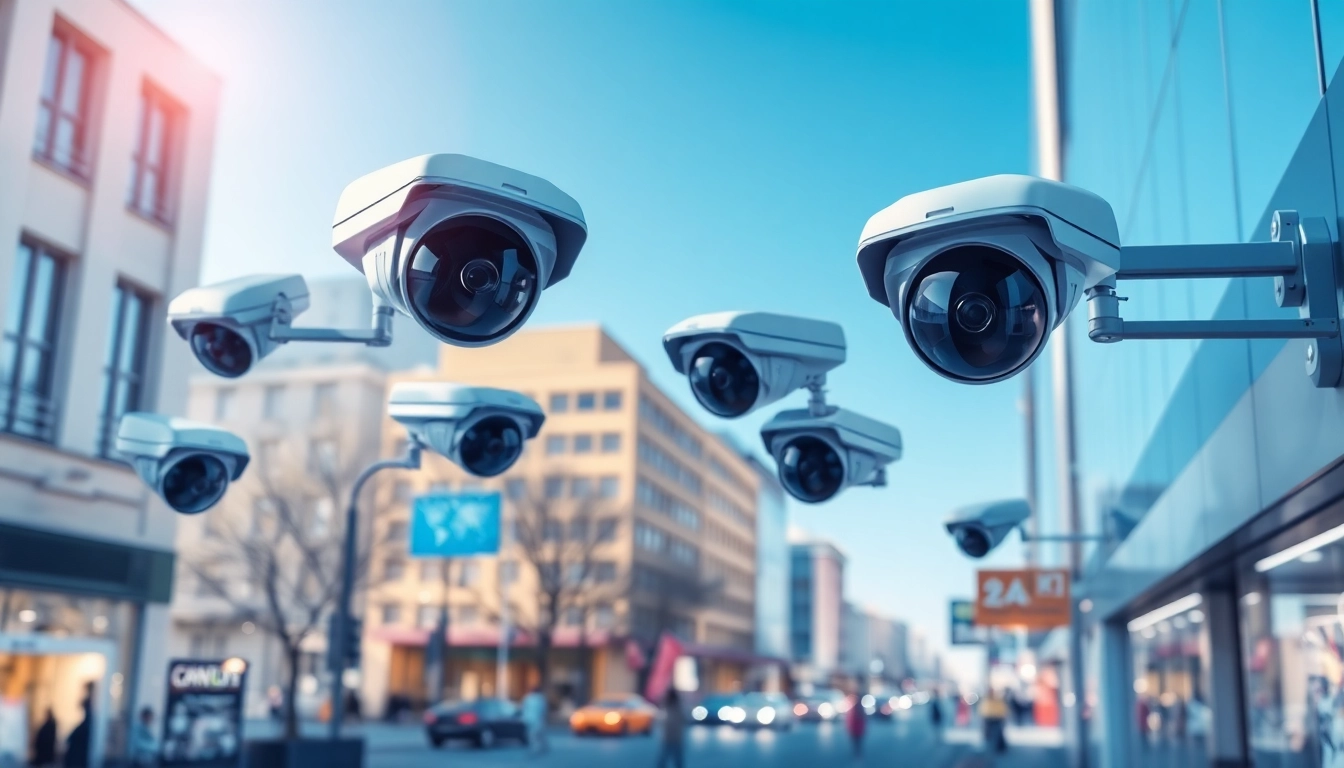
CCTV analytics refers to the advanced technologies and software that enhance the capabilities of traditional closed-circuit television systems. These analytics employ sophisticated algorithms to automatically analyze video footage in real-time or post-event, providing vital insights into the monitored environment. With features like motion detection, facial recognition, and behavior analysis, CCTV analytics transforms raw data into actionable intelligence. This technology ensures that security teams can respond swiftly to incidents and optimize other operational strategies within various sectors.
Importance of CCTV Analytics in Security
Understanding the significance of CCTV analytics is crucial for security enhancement. In a landscape fraught with evolving threats, conventional surveillance models often fall short. CCTV analytics addresses this gap by providing enhanced detection capabilities. For instance, it enables rapid identification of unusual behavior patterns, potentially indicating security breaches or safety concerns. Moreover, by automating monitoring processes, organizations can manage resources more effectively, allowing security personnel to focus on critical tasks. Furthermore, What is CCTV analytics is instrumental in ensuring compliance with safety regulations and fostering a safer environment in densely populated areas.
How CCTV Analytics Enhances Operational Efficiency
CCTV analytics not only plays a pivotal role in improving security but also enhances operational efficiency across various sectors. By utilizing data from video feeds, organizations can make informed decisions to streamline processes. For example, retail businesses can gain insights on customer behavior and foot traffic patterns to optimize layout and inventory management. In transport sectors, analytics can monitor traffic flow, leading to improved safety and reduced congestion. Real-time data processing allows for immediate corrections and proactive measures that ultimately lead to better resource allocation and operational performance.
Components of CCTV Analytics
Camera Technologies and Their Role
The foundation of CCTV analytics lies in the camera technologies deployed. Modern cameras come equipped with various features—high definition (HD) recording, infrared capability for night vision, and wide dynamic range (WDR) for varying light conditions. These advanced features enhance the quality of the footage captured, allowing analytics software to perform more accurately. Moreover, IP cameras facilitate better scalability and integration, they are an essential part of any sophisticated CCTV system designed for analytics.
Data Processing and Analysis Techniques
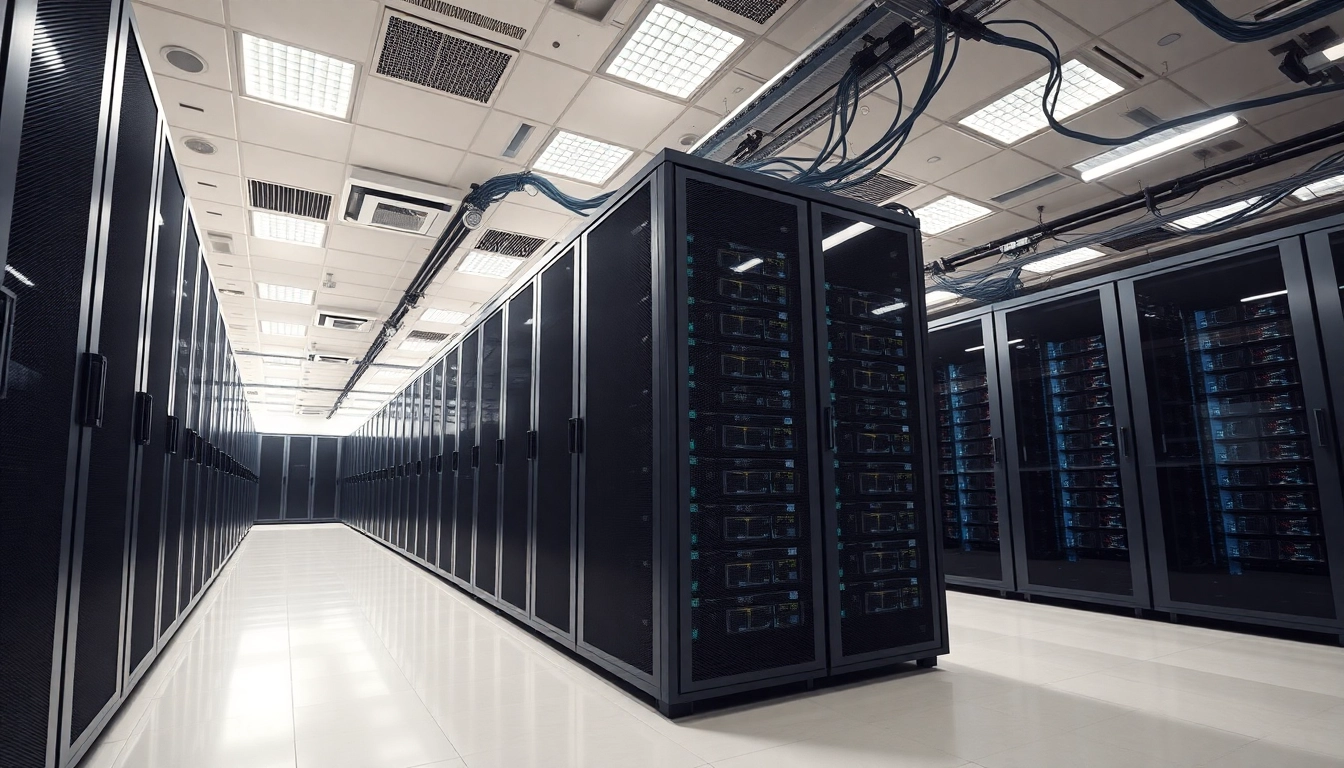
The efficacy of CCTV analytics is largely dependent on the data processing techniques employed. Traditionally, video footage would require manual review, which is time-consuming and inefficient. In contrast, contemporary analytics leverage machine learning and artificial intelligence to process and analyze vast amounts of video data rapidly. Techniques such as object detection, classification, and tracking algorithms enable real-time decision-making by identifying specified subjects or incidents without human intervention. This not only speeds up response times but also minimizes the likelihood of human error.
Integrating AI for Improved Insights
Artificial intelligence (AI) integration into CCTV analytics significantly enhances data interpretation capabilities. AI algorithms can learn from previous data patterns, recognizing anomalies and potential threats more effectively over time. By employing deep learning models, the system can differentiate between normal activity and potential threats, providing alerts to security personnel only when necessary. This intelligent filtering vastly improves the efficiency of surveillance operations, allowing organizations to manage larger datasets without the risk of oversight.
Applications of CCTV Analytics in Various Sectors
Retail and Loss Prevention
CCTV analytics plays a crucial role in retail environments, particularly for loss prevention. By analyzing foot traffic patterns and distinct customer behaviors, retailers can identify areas within their store that require enhanced surveillance. Furthermore, advanced analytics can alert staff to suspicious behavior or potential theft in real time, allowing them to act before a loss occurs. The insights gained from video analytics also support better inventory management and marketing strategies by understanding consumer preferences and behaviors.
Transportation Monitoring and Safety
In the transportation sector, CCTV analytics is instrumental for monitoring traffic flow, reducing accidents, and enhancing overall safety. By analyzing various traffic patterns and vehicle behaviors, authorities can make informed decisions about traffic management systems. Real-time alerts from analytics can help in managing accidents and traffic jams effectively, leading to safer roads. Additionally, monitoring public transport systems through CCTV analytics ensures passenger safety and can provide insights into service improvements.
Public Places and Crowd Management
CCTV analytics is invaluable in managing crowds in public spaces such as airports, parks, and sporting events. By analyzing crowd dynamics, authorities can predict potential over-crowding risks and respond proactively to maintain safety. The technology enables the identification of emergency situations, facilitating quicker responses from security personnel. Ultimately, this contributes to a more controlled environment, enhancing the overall public experience while ensuring safety is prioritized.
Challenges in Implementing CCTV Analytics
Data Privacy Concerns
While the benefits of CCTV analytics are clear, data privacy concerns pose significant challenges. Surveillance systems can potentially infringe on individual privacy rights if not managed correctly. Organizations must ensure compliance with local regulations, such as GDPR, and implement measures to protect personal data. Transparent policies regarding surveillance practices, along with secure storage protocols, are essential to mitigate these concerns and maintain public trust.
Technical Limitations and Solutions
Despite the advances in CCTV analytics, technical limitations still exist, impacting performance accuracy. For example, poor-quality camera footage can hinder analytics effectiveness, leading to inaccurate assessments. Additionally, integration issues between hardware and software components can complicate deployment. To overcome these challenges, organizations should invest in high-quality camera systems, conduct regular maintenance, and ensure compatibility between all components to facilitate smoother operations.
Cost Considerations and Budget Planning
Implementing an effective CCTV analytics system involves significant initial investments, which can deter organizations from adopting the technology. Beyond hardware costs, organizations must consider the expenses related to software, ongoing maintenance, and staff training. To manage these costs, it is crucial to plan a comprehensive budget that weighs the long-term benefits of improved security and operational efficiency against the upfront investment, ensuring that resources are allocated effectively.
Future Trends in CCTV Analytics
Advancements in Technology
The future of CCTV analytics promises exciting advancements in technology. Innovations in machine learning and AI will continue to enhance the accuracy of data interpretation, allowing for better predictive insights. Additionally, edge computing is set to play a vital role in enabling real-time data processing at the camera level, reducing latency, and improving response times. As technology evolves, organizations can look forward to more integrated systems that offer enhanced analytical capabilities.
Predictive Analytics and Security Enhancements
Predictive analytics is emerging as a critical component of CCTV analytics. By leveraging historical data, organizations can anticipate potential security threats and pre-emptively address issues before they escalate. This proactive approach not only enhances security measures but also optimizes resource allocation, leading to more effective security operations. The continuous evolution in predictive analytics will empower organizations to stay one step ahead of potential threats.
Building Smart Cities with CCTV Data
As urbanization continues, the trend toward building smart cities becomes more pronounced. CCTV analytics will be instrumental in this evolution by providing valuable insights into urban management. Data derived from surveillance systems will contribute to improving public safety, managing traffic flow, and enhancing city services. Furthermore, the integration of these analytics with other smart technologies (like IoT) will create responsive urban environments that adapt better to the needs of their inhabitants.
FAQs
What is CCTV analytics used for?
CCTV analytics is used for enhancing security and operational efficiency by analyzing video footage for patterns, behaviors, and potential threats.
How does CCTV analytics work?
CCTV analytics employs algorithms to process and analyze video data in real-time, detecting objects, events, and behaviors for actionable insights.
Are there privacy issues with CCTV analytics?
Yes, data privacy concerns arise with CCTV analytics, requiring compliance with regulations and transparent policies to protect individuals’ privacy rights.
What industries benefit from CCTV analytics?
Many industries benefit from CCTV analytics, including retail, transportation, and public services, improving security measures and operational strategies.
What technological advancements are expected in CCTV analytics?
Future advancements include enhanced AI-driven predictive analytics, integrated systems for smarter decision-making, and edge computing for real-time processing.