
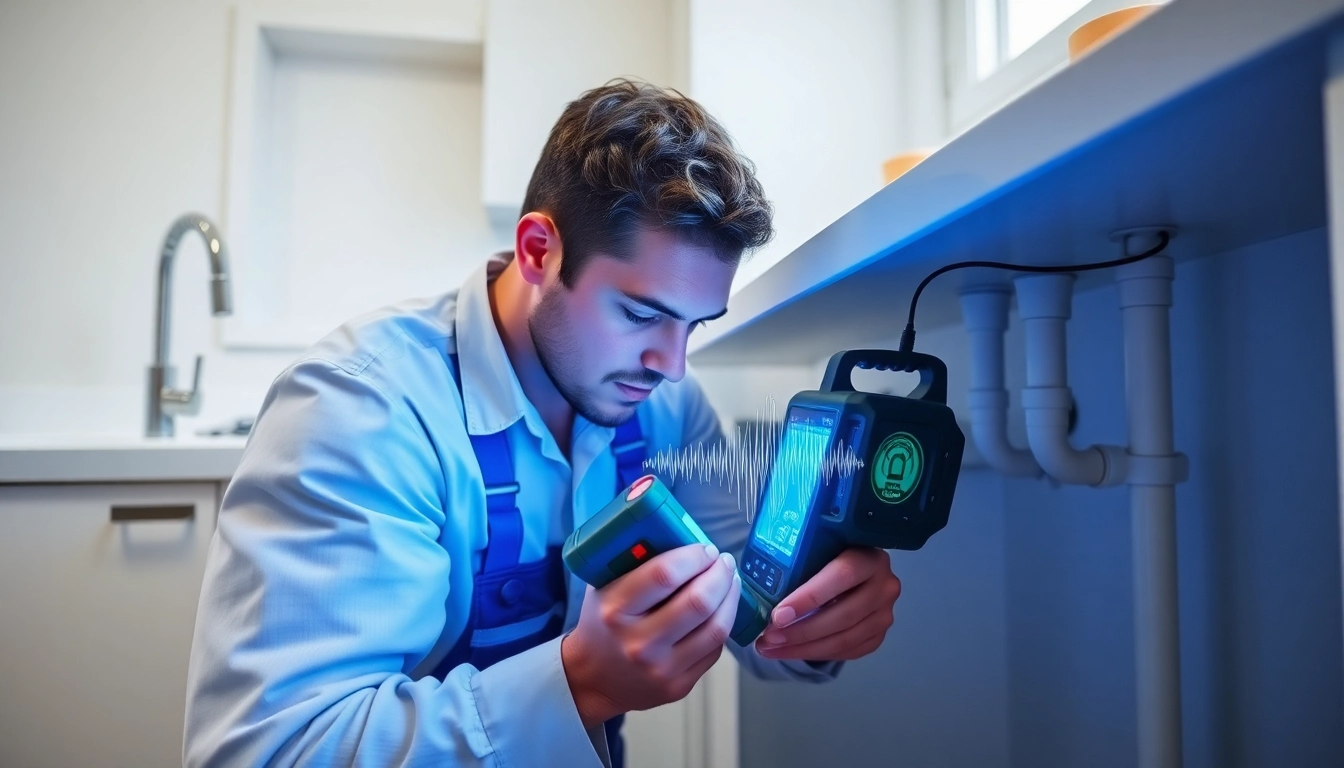
Understanding Plumbing Leak Detection
What is Plumbing Leak Detection?
Plumbing leak detection is the process of identifying and locating leaks in a plumbing system to prevent water damage and other associated problems. This procedure is essential for both residential and commercial properties. It involves the use of various tools and techniques aimed at detecting leaks, which can be hidden within walls, under floors, or even in underground pipes. With advancements in technology, leak detection has become more sophisticated, using methods like infrared thermography and acoustic sensors to locate leaks accurately without invasive measures.
Importance of Timely Leak Detection
Detecting leaks in a timely manner is crucial for several reasons. First and foremost, it can save property owners significant costs associated with water damage repairs. Undetected leaks can lead to rot, mold growth, and structural damage that not only require expensive repairs but also can be dangerous to the inhabitants' health. Additionally, timely leak detection contributes to the conservation of water, thus benefiting the environment. By utilizing Plumbing Leak Detection methods proactively, property owners can avoid hefty water bills and ensure their plumbing system remains efficient.
Common Signs of Water Leaks
There are several indicators that may signal the presence of a plumbing leak:
- Unexplained Wet Spots: Wet spots on floors, walls, or ceilings can indicate leaks behind surfaces.
- Increased Water Bills: A sudden spike in your water bill without an apparent cause may suggest a leak.
- Mold and Mildew: The presence of mold or mildew can be a direct result of excess moisture from leaks.
- Damp or Musty Odors: Foul odors, especially in basements or crawl spaces, are often signs of water accumulation due to leaks.
- Sound of Running Water: Hearing water running when all faucets and appliances are off can indicate a hidden leak.
Tools and Technologies for Leak Detection
Types of Plumbing Leak Detection Equipment
Numerous tools are available for plumbing leak detection, ranging from simple to sophisticated devices. Here are some commonly used types:
- Acoustic Leak Detectors: These devices listen for sounds of leaking water in pipes. They work by amplifying the sound of leaking water, which is generally higher in frequency than the broader ambient noise.
- Infrared Thermography: Infrared cameras detect temperature changes on surfaces. A leak will typically cause a temperature difference, which the camera can detect.
- Moisture Meters: These handheld devices measure the moisture content in materials like drywall, wood, and concrete, helping to locate hidden leaks effectively.
- Video Inspection Equipment: With small cameras attached to flexible cables, plumbers can inspect the inside of pipes without invasive digging.
Innovative Technologies in Leak Detection
Technological advancements have revolutionized leak detection, improving accuracy and efficiency. Noteworthy innovations in the field include:
- Smart Leak Detectors: These are devices that can be installed in homes to monitor for leaks continuously. They connect to smartphones, sending alerts if a leak is detected.
- Data Analytics: Using data analysis software, technicians can assess water consumption patterns and predict potential leak areas before they manifest into noticeable issues.
- Acoustic Sensors: These sensors can differentiate between types of sounds, allowing for the detection of specific leak types without interference from other noises.
Comparison of Traditional vs. Modern Techniques
While traditional methods, such as visual inspections and plumbing knowledge, are still valid, modern techniques provide significant advantages. Traditional methods often rely on human observation and experience, which can overlook concealed leaks. In contrast, modern technologies like infrared thermography and smart detection devices offer higher accuracy and can identify leaks that are otherwise inaccessible. Additionally, modern methods often entail less intrusive procedures, reducing the need for extensive repairs and minimizing property damage.
DIY Plumbing Leak Detection Methods
How to Find Leaks Using Simple Tools
For the handy homeowner, several simple tools can be used for preliminary leak detection:
- Bucket Test: For leaks in toilets, place a few drops of food coloring in the tank. If the color seeps into the bowl, you have a leak.
- Soapy Water Method: Mix soap and water and apply it to suspected pipe areas. Bubbles indicate escaping gas or water.
- Water Meter Check: Monitor your water meter. Turn off all water appliances and faucets, then check if the meter moves.
Steps for Conducting a Home Leak Test
To effectively test for leaks at home, homeowners can follow these steps:
- Turn off all water-using devices.
- Locate your water meter and note its reading.
- Wait for a few hours without using any water, then check the meter again.
- If the reading has changed, there may be a leak in your plumbing system.
Common DIY Mistakes to Avoid
While DIY leak detection can save money, there are common mistakes to avoid:
- Ignoring Small Signs: Small leaks, if left unattended, can lead to larger issues. Always take minor indicators seriously.
- Using Inappropriate Tools: Using tools not designed for plumbing can lead to misdiagnosis of the problem.
- Rushing the Process: Taking your time when examining potential leak sites is crucial. Quick evaluations may overlook critical signs of water damage.
Professional Leak Detection Services
What to Expect from a Plumbing Leak Detection Service
When hiring a professional leak detection service, clients can expect a thorough and systematic approach. Professionals will typically start with an initial inspection, using advanced equipment to locate leaks. They will provide an assessment of the problem and outline necessary repairs. A reputable service will also offer a detailed report documenting the findings and recommendations.
When to Call a Professional
While many leaks can be detected and fixed by homeowners, there are scenarios where professional assistance is essential:
- When the leak is hidden behind walls or underground where access is limited.
- If you have a persistent leak that you cannot locate or fix despite thorough DIY efforts.
- When leakage causes significant property damage or involves more complex plumbing systems.
How to Choose the Right Leak Detection Expert
Choosing a qualified leak detection expert is crucial for effective service. Here are tips to aid in your selection:
- Check Credentials: Always verify that professionals are licensed, insured, and experienced in leak detection.
- Read Reviews: Customer feedback can provide insight into the effectiveness and reliability of the service.
- Ask About Techniques Used: Ensure they utilize modern detection methods that suit your needs.
Maintaining a Leak-Free Home
Regular Checkups for Plumbing Systems
To prevent leaks and maintain a healthy plumbing system, regular checkups are essential. Schedule regular inspections with a plumbing expert, particularly if your area is prone to seasonal changes that affect pipes. Additionally, a yearly checkup can help catch potential issues before they escalate.
Best Practices for Leak Prevention
Incorporating best practices into your plumbing maintenance routine can significantly reduce the likelihood of leaks:
- Insulate Pipes: Insulating pipes helps prevent freezing in winter, reducing the risk of cracks and leaks.
- Maintain Water Pressure: Regularly check and maintain appropriate water pressure to avoid stressing pipe joints.
- Fix Minor Issues Promptly: Don't ignore minor leaks; addressing them quickly can prevent larger issues.
Monitoring and Maintenance Tips
Effective monitoring and maintenance can keep your plumbing system in tip-top shape. Keep the following tips in mind:
- Maintain a plumbing log: Track repairs and inspections, which can help identify recurring issues over time.
- Be proactive in seasonal changes: Change plumbing habits based on seasonal conditions, such as winterizing pipes in cold climates.
- Educate your family: Ensure everyone in the household understands the basic plumbing system and can identify signs of leaks.