
Understanding Women Fashion: A Comprehensive Overview
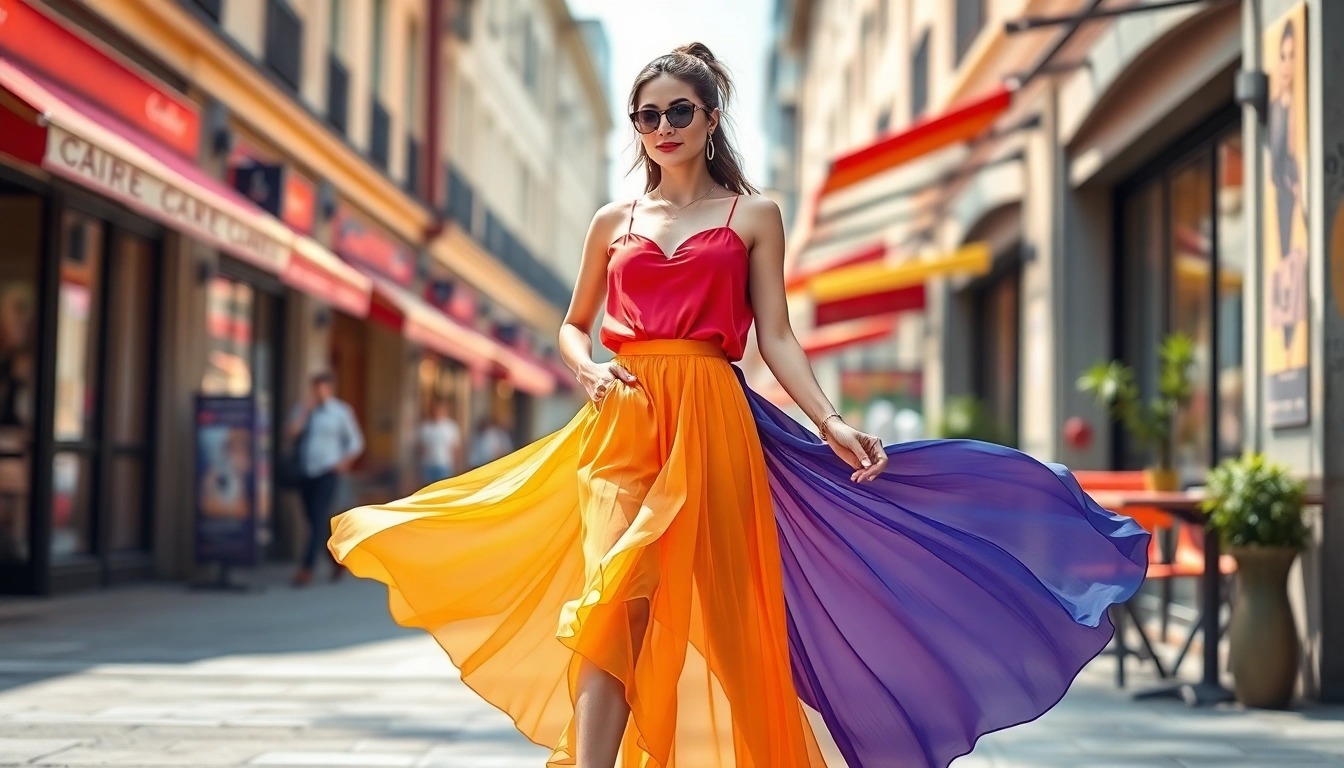
Women’s fashion is a multifaceted industry reflecting our cultural, social, and economic evolution. It is not merely about clothing but encompasses a wide array of expressions through style, trends, and personal identity. From cozy vintage vibes to bold contemporary designs, Women Fashion has countless dimensions that cater to diverse tastes and preferences. In this comprehensive overview, we will delve into the key components of women’s fashion, trace its historical evolution, and explore the cultural impacts that shape this vibrant industry.
Key Components of Women Fashion
The components of women’s fashion can be categorized into several critical elements that collectively craft the fabric of styles seen in today’s world. Each of these elements reflects varying levels of personal expression and broader societal values.
- Clothing: This includes the vast array of garments women wear, from everyday basics like t-shirts and jeans to more elaborate pieces like gowns and formal wear.
- Footwear: Shoes can range from practical sneakers to high heels, each serving different functions and aesthetics, and often completing an outfit.
- Accessories: Items such as bags, jewelry, belts, and scarves play crucial roles in defining a look, providing opportunities for individuality.
- Color and Fabric: The choice of colors and materials significantly impacts the seasonality and style trends, influencing mood and perception of fashion.
- Beauty and Grooming: Makeup, hairstyles, and skincare complement clothing choices and reflect personal style, adding depth to the overall visual presentation.
Historical Evolution and Trends
Fashion is deeply rooted in history, evolving from one generation to another and reflecting the changing norms, moods, and dynamics of society. Understanding its historical context helps to appreciate current trends.
The 19th Century: Modesty and Practicality
During the 19th century, fashion was largely dictated by societal expectations, with women’s clothing focusing on modesty and practicality. Dresses featured high necklines and long skirts, often accompanied by corsetry that emphasized the female silhouette.
The 1920s: Liberation and Expression
The Roaring Twenties marked a turning point, as women started to embrace fashion that symbolized liberation. Flapper dresses with dropped waistlines and shorter hemlines became iconic, representing a cultural shift towards more comfortable and expressive attire.
The Mid-20th Century: Diversity and Individualism
The mid-20th century saw the rise of diverse fashion statements, with influential designers like Coco Chanel and Christian Dior challenging norms with their designs. This period celebrated individuality while addressing post-war sentiments with more practical and casual styles.
The Impact of Culture on Women Fashion
Culture plays a pivotal role in shaping women’s fashion, as it encompasses geographical, social, and political dimensions that influence style. Fashion is often a mirror reflecting the zeitgeist of a specific time or community.
From the intricate prints of African textiles to the minimalist aesthetics seen in Scandinavian designs, cultural elements deeply impact fabric choices, patterns, and even silhouettes. Furthermore, cultural festivals and global events often dictate trends that transcend local boundaries, making women’s fashion a global tapestry.
Top Trends in Women Fashion for 2024
Must-Have Styles This Year
As we step into 2024, several exciting trends are capturing the attention of fashion enthusiasts. From comfortable streetwear to luxurious textures, here are the must-have styles:
- Oversized Fits: Comfort remains key, with oversized silhouettes dominating wardrobes. From wide-leg trousers to relaxed-fit blazers, these styles offer versatility and ease of movement.
- Sustainable Fashion: Eco-conscious designs are gaining traction as consumers increasingly seek sustainable and ethical clothing. Brands emphasizing cruelty-free production practices are on the rise.
- Statement Sleeves: Dramatic sleeves on dresses and blouses are turning heads, adding flair and sophistication to simple outfits.
- Monochrome Looks: Matching tops and bottoms in similar colors or patterns create a polished and cohesive appearance, making styling easier.
Color Palettes Dominating Women Fashion
Color choices play a crucial role in setting trends each season. In 2024, we can expect to see:
- Earth Tones: Soft browns, muted greens, and rust shades evoke a sense of calmness and stability, allowing for easy pairing with various outfits.
- Bold Brights: Vivid yellows, electric blues, and vibrant reds are making a statement, embodying energy and positivity.
- Pastels: Light pinks, lavender, and mint greens continue to soften the aesthetic, suitable for both casual and refined occasions.
Accessorizing Your Outfits Effectively
The right accessories can elevate any outfit, turning a simple ensemble into a fashion statement. Key tips for accessorizing effectively include:
- Balance: Ensure accessories complement rather than overwhelm the outfit. A statement necklace works best with a simple dress, not one with busy patterns.
- Layering: Layering necklaces or bracelets can create a bohemian look, while structured bags and shoes add a touch of sophistication to formal wear.
- Seasonal Choices: Choose materials and styles that reflect the season. For example, woven bags and bright colors during summer and richer textures in winter.
Building Your Personal Style in Women Fashion
Finding Your Unique Look
Establishing a personal style is an empowering journey that reflects individual identity and preferences. Here are some strategies to hone your unique look:
- Experiment: Don’t be afraid to try new trends or styles. Mixing different aesthetics can lead to a signature look that is truly your own.
- Inspiration: Seek inspiration from various sources – magazines, social media influencers, and everyday people. Consider creating a mood board to visualize your preferred styles.
- Wardrobe Essentials: Build a capsule wardrobe with versatile pieces that can be mixed and matched to create various outfits, reinforcing personal style.
Mixing and Matching for Versatility
One of the most effective ways to create a personalized wardrobe is through strategic mixing and matching. Consider these tips:
- Layering: Use layering techniques to augment outfits, allowing for transition from day to night easily.
- Seasonless Pieces: Invest in items that can be worn across all seasons, like a classic trench coat or a tailored blazer.
- Pattern Mixing: Combine different prints and textures thoughtfully, ensuring they either share a color palette or varying sizes for harmony.
Tips on Dressing for Body Types
It’s essential to understand your body type when selecting outfits. Dressing for your shape enhances confidence and comfort. Here are some tips tailored to different body types:
- Hourglass: Highlight curves with fitted clothing and belts to define the waist.
- Apple: Choose empire waistlines and flowing fabrics to create balance and draw attention away from the midsection.
- Pear: A-line skirts and structured tops can help draw attention to the upper body while flaring out over the hips.
- Rectangle: Create curves with layered pieces, ruffles, and cinched waist garments.
Shopping Guide: Where to Buy Women Fashion
Top Online Retailers for Women Fashion
The online shopping landscape for women’s fashion is vast, offering an array of choices and convenience. Some top retailers include:
- Express - Known for contemporary styles and seasonal launches.
- Nordstrom - Offers a curated selection of high-end and designer fashion.
- Target - Provides affordable and trendy fashion pieces for everyday wear.
- ASOS - Known for a wide range of options that cater to various styles and sizes.
- Nasty Gal - Focuses on youthful, trendy styles that embody a certain edgy vibe.
Budget-Friendly Options
Fashion doesn’t have to come with a hefty price tag. Here are suggestions for budget-friendly shopping without sacrificing style:
- Fast Fashion Brands: Retailers like H&M and Forever 21 carry fashionable items at accessible prices.
- Thrift and Vintage Shops: Scouring second-hand stores can yield unique finds and sustainable options.
- Sales and Discounts: Shop during seasonal sales and clearance events where you can find significant discounts on current styles.
Understanding Quality and Value in Fashion Purchases
When shopping, understanding the difference between quality and price is essential. Here are some aspects to consider:
- Material Quality: Invest in clothing made from durable fabrics that withstand wear and wash, providing long-term value.
- Construction: Look for well-constructed items with neat stitching and finishing touches, signaling a higher quality garment.
- Timeless Styles: Choose classic silhouettes that won't go out of vogue, allowing for longevity in your wardrobe.
Future of Women Fashion: Trends to Watch
Technology's Role in Fashion Evolution
The intersection of technology and fashion is transforming how we design, produce, and consume clothing. Some anticipated trends include:
- 3D Printing: As the technology becomes more accessible, designers will employ 3D printing for intricate piece designs, enabling customization and reducing waste.
- AR Shopping Experiences: Augmented reality is set to revolutionize online shopping, allowing consumers to virtually try on clothes before purchasing.
- Blockchain and Transparency: Blockchain technology will provide traceability in fashion, ensuring ethical production practices are communicated clearly.
Eco-Friendly Trends in Women Fashion
As environmental awareness grows, eco-friendly trends in women's fashion are flourishing:
- Sustainable Materials: Brands are increasingly opting for organic cotton, bamboo, and recycled fabrics, which reduce environmental impact.
- Upcycling and Reuse: The trend of upcycling older garments into new styles gains traction, promoting a circular economy within fashion.
- Local Production: Many brands are turning towards local production methods to support local economies and reduce carbon footprints.
Influencer and Celebrity Impact on Women Fashion
The influence of celebrities and social media personalities on women’s fashion cannot be overstated. As trendsetters, they often dictate what is relevant and fashionable. Here’s how:
- Social Media Platforms: Platforms like Instagram and TikTok amplify trends, allowing influencers to reach wide audiences instantly.
- Collaborations: Celebrity collaborations with fashion brands create unique offerings, merging mainstream appeal with high fashion.
- Authentic Marketing: Engaging storytelling and authenticity displayed by influencers often lead to higher consumer trust and loyalty.