
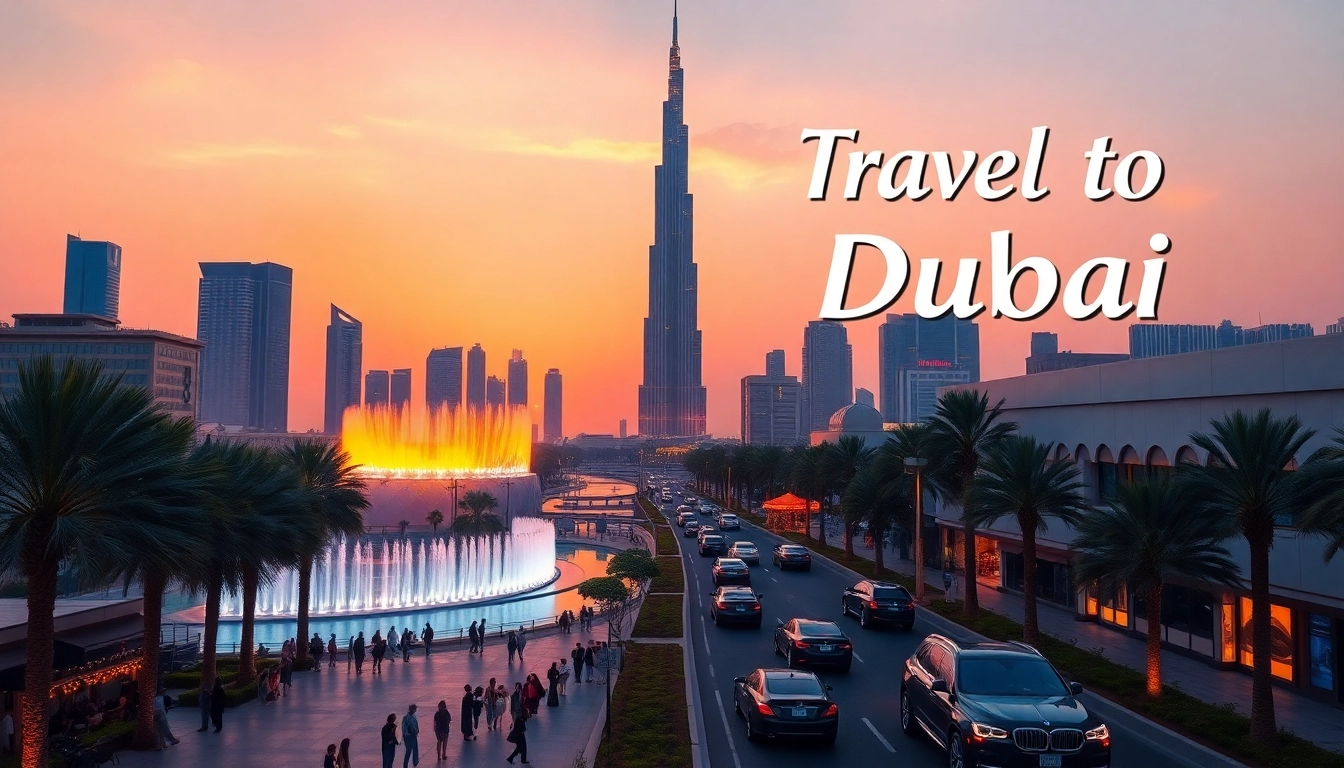
Understanding Travel to Dubai
Dubai, the crown jewel of the United Arab Emirates, is a dazzling city known for its modern architecture, luxury shopping, and vibrant nightlife. As travelers flock to this iconic destination, understanding the nuances of traveling to Dubai becomes essential for making the most of one’s experience. From towering skyscrapers to desert adventures, the allure of Dubai captivates millions each year. Whether you’re planning to explore its grand attractions or immerse yourself in its cultural tapestry, this comprehensive guide will provide the insights you need to Travel to Dubai with confidence.
Overview of Dubai's Attractions
Dubai offers an array of attractions that cater to all types of travelers. The city seamlessly blends tradition with modernity, resulting in a destination that is both cosmopolitan and culturally rich. Key attractions include:
- Burj Khalifa: The tallest building in the world, offering breathtaking views of the city.
- Dubai Mall: A shopping paradise featuring over 1,200 retail shops, an aquarium, and the famous Dubai Fountain.
- Desert Safari: Exciting adventures like sandboarding, camel rides, and traditional Bedouin experiences.
- The Palm Jumeirah: An iconic man-made island that houses luxury hotels and attractions.
- Dubai Marina: A bustling area filled with restaurants, entertainment options, and yacht tours.
Best Times for Travel to Dubai
The ideal time to visit Dubai is during the cooler months from November to March. During this period, temperatures are moderate, typically ranging from 24°C to 30°C (75°F to 86°F), perfect for outdoor activities and exploration. However, visitors should also be aware that this is peak tourist season, leading to crowded attractions and higher prices. For budget-conscious travelers, visiting during the summer months, despite the extreme heat, can offer significant savings on hotels and flights, but outdoor activities may be limited.
Cultural Insights for Travelers
Understanding Dubai's cultural nuances is crucial for a smooth travel experience. As a city of diverse nationalities, Dubai respects a blend of traditions and modern values. Key cultural insights include:
- Respect for local customs: Dress modestly in public areas, especially while visiting mosques or traditional neighborhoods.
- Public conduct: Displays of affection are generally frowned upon in public; maintaining decorum is important.
- Islamic Holidays: Travelers should respect local holidays and observe customs; for instance, Ramadan is a month of fasting where eating in public during daylight is prohibited.
Essential Preparations for Travel to Dubai
Visa Requirements and Entry Regulations
Travelers should familiarize themselves with the visa requirements for entry into the UAE. Nationals from several countries, including the United States, UK, and many EU nations, can obtain a visa on arrival for a stay of up to 30 days. In contrast, other nationalities must apply for a visa prior to travel, which can be processed through airline services or the UAE embassy. It’s prudent to ensure that your passport is valid for at least six months beyond your entry date into the UAE to avoid any complications.
Health and Safety Tips for Dubai Travelers
Health and safety should be a priority for anyone traveling. Travelers are advised to carry standard medications for common ailments. The UAE has excellent healthcare facilities, but medical insurance is highly recommended. The current health guidance may include vaccinations for diseases endemic to the region, so checking vaccination requirements before departure is advisable. Additionally, it's essential to stay hydrated and apply sunscreen when exploring outdoor attractions to guard against the strong sun.
Travel Insurance and Protection Plans
Travel insurance is a vital aspect of any trip, providing coverage for unforeseen events such as trip cancellations, medical emergencies, or lost belongings. When choosing a policy, travelers should consider coverage that includes international medical expenses, trip interruption, and emergency evacuation. Several providers offer comprehensive plans tailored specifically for travel to Dubai and the surrounding regions.
Must-See Attractions in Dubai
Exploring Burj Khalifa and Dubai Mall
The Burj Khalifa not only defines the Dubai skyline but also serves as a symbol of the city’s rapid development. Visitors can ascend to the observation deck on the 148th floor for panoramic views of the cityscape. Adjacent to the Burj Khalifa is the Dubai Mall, where patrons can indulge in a shopping spree followed by an evening show of the mesmerizing Dubai Fountain, which dances to the rhythm of music and lights.
Adventures in the Desert: Sandboarding and Camel Rides
No trip to Dubai is complete without a desert adventure. Tour operators provide thrilling experiences such as dune bashing, sandboarding, and camel riding through the enchanting landscape. Evening desert safaris often include cultural experiences like henna painting, traditional meals, and belly dancing performances under the stars.
Discovering Dubai's Cultural Heritage
Dubai’s cultural side is beautifully showcased in the Al Fahidi Historical Neighborhood, where traditional Emirati houses and museums offer a glimpse into the city’s past. The Dubai Museum and the Sheikh Mohammed Centre for Cultural Understanding provide enriching experiences that enhance tourists' understanding of UAE heritage and traditions. Engaging with local communities and participating in cultural activities can deeply enrich the travel experience.
Dining and Entertainment in Dubai
Top Restaurants and Culinary Experiences
Dubai's culinary scene is as diverse as its population, offering world-class dining experiences across various cuisines. From luxurious fine dining at places like At.mosphere in the Burj Khalifa to charming local eateries serving authentic Emirati dishes, the options are endless. Popular culinary activities include food tours where tourists can sample street food and traditional delicacies, giving them a genuine taste of the city's gastronomic heritage.
Nights Out: Bars, Clubs, and Events in Dubai
The nightlife in Dubai is vibrant and varied, with plenty of options for every taste. Rooftop bars like the Skyview Bar and White Dubai offer stunning vistas alongside expertly crafted cocktails. The Dubai nightlife also caters to those looking for lively clubs, featuring resident DJs and themed nights. Major events throughout the year, including music festivals and cultural events, further enhance the nightlife experience.
Family-Friendly Activities in Dubai
Traveling with children? Dubai is exceptionally family-friendly, presenting a host of enjoyable activities. The Dubai Aquarium and Underwater Zoo, located inside the Dubai Mall, captivates all ages. Other prominent family-oriented attractions include Aquaventure Waterpark, KidZania, and various desert safaris tailored for families, ensuring that children can also create lasting memories during their Dubai adventure.
Travel Tips for First-Time Visitors to Dubai
What to Pack for Your Travel to Dubai
Understanding what to pack is crucial for a successful trip to Dubai. It’s important to bring lightweight, breathable clothing suitable for the weather, as well as a light jacket or sweater for cooler evenings. Don’t forget a good pair of walking shoes, sunscreen, and any personal items needed for health. For those planning to visit religious sites, modest dressing is encouraged for both men and women to respect local customs.
Navigating Dubai's Transportation Options
Transportation in Dubai is efficient and user-friendly, with options ranging from the Metro and buses to taxis and ride-shares. The Dubai Metro is highly recommended for its convenience and affordability, connecting major attractions throughout the city. Meanwhile, taxis offer a comfortable means for those venturing further afield; ride-sharing apps like Uber and Careem are also widely used. Understanding these options can save both time and stress during your trip.
Understanding Local Customs and Etiquette
Local customs in Dubai are primarily shaped by Islamic values, making it essential for visitors to observe certain etiquettes. Avoid engaging in public disputes or showing disrespect, especially during Ramadan. Always use your right hand to give or receive items, and opt for conservative communication styles. Engaging respectfully with locals can enhance the travel experience, leading to invaluable shared insights and experiences.