
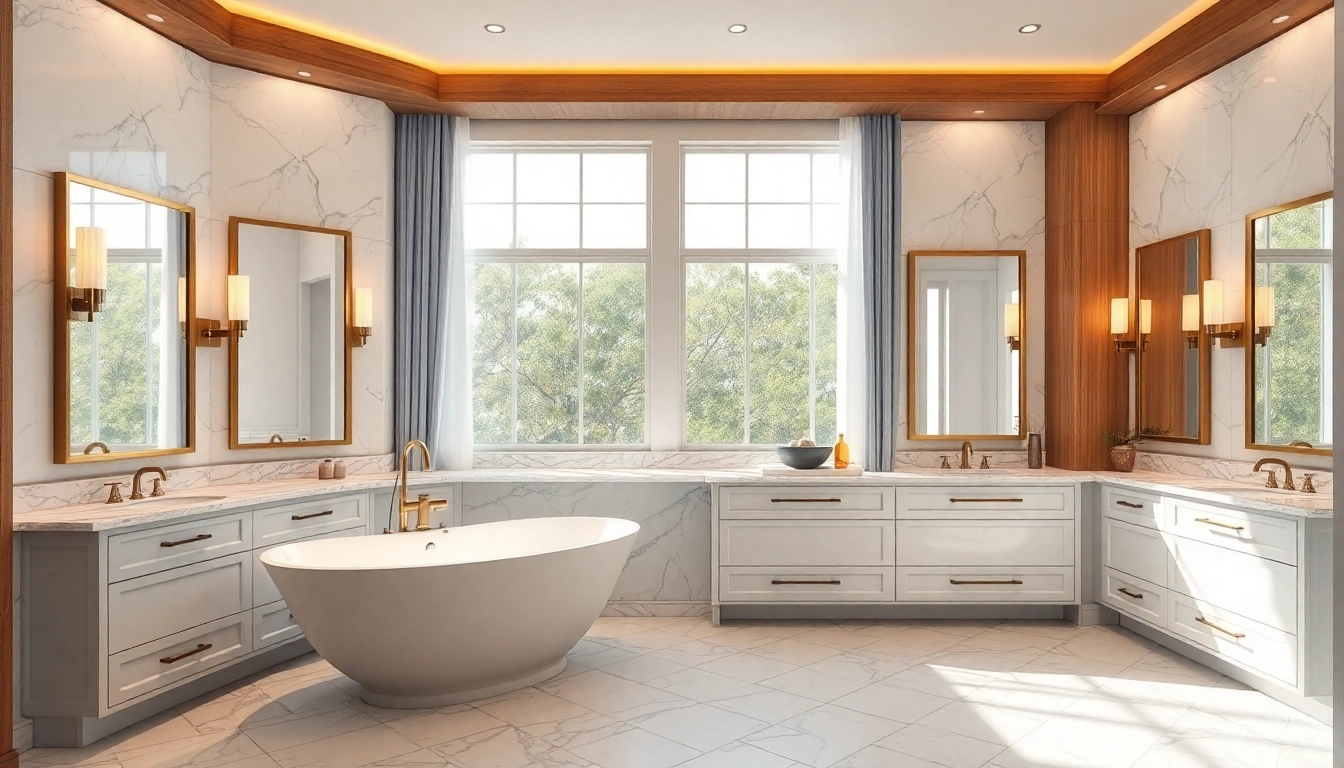
Understanding the Essentials of Bathroom Remodeling
What is Bathroom Remodeling?
Bathroom remodeling involves the process of renovating and upgrading one of the most crucial spaces in your home. This can encompass a variety of changes, ranging from simple cosmetic updates to extensive renovations. The idea is to enhance both the functionality and aesthetic appeal of the bathroom, making it a more enjoyable and efficient space. Homeowners considering bathroom remodeling typically look to update fixtures, finishes, and layouts, tailoring their bathrooms to meet contemporary standards and personal preferences.
Key Benefits of Bathroom Remodeling
There are numerous benefits to undertaking a bathroom remodeling project, including:
- Increased Home Value: A modern and aesthetically pleasing bathroom can significantly enhance your home's overall value, making it more appealing to potential buyers.
- Improved Functionality: By re-evaluating the layout and elements within a bathroom, homeowners can improve its functionality, whether that means adding storage solutions or rearranging to allow better traffic flow.
- Enhanced Comfort and Safety: Updates might include modern, non-slip flooring or accessibility features that provide a safer environment for all users.
- Energy Efficiency: New fixtures can lead to lower water and energy bills, especially with the incorporation of low-flow toilets and water-efficient faucets.
Common Challenges in Bathroom Remodeling Projects
While the benefits are significant, bathroom remodeling can be fraught with challenges. Common issues include:
- Budget Overruns: Without careful planning, it’s easy to exceed your budget, especially with unexpected repairs or changes in design plans.
- Space Limitations: Small bathrooms can pose challenges in layout design, making it difficult to maximize space effectively.
- Choosing Quality Materials: The plethora of options available can lead to decision fatigue, and selecting low-quality materials can undermine the longevity of the remodel.
- Hiring Reliable Professionals: Finding the right contractors can be daunting, as the quality of work will significantly affect the outcome of the renovation.
Planning Your Bathroom Remodeling Project
Setting a Realistic Budget
Setting a budget is one of the foundational steps in any remodeling project. On average, bathroom remodels can range from $5,000 for small updates to $30,000 or more for extensive renovations, depending on the quality and scope of the work. It is essential to consider not only the cost of materials and labor but also to allocate funds for unforeseen expenses. A realistic budget helps guide the project decisions, enabling homeowners to prioritize essential features over luxury upgrades.
Choosing the Right Bathroom Layout
The layout of your bathroom will dictate its functionality. Consideration needs to be given to the existing plumbing and electrical systems, as relocating these can dramatically increase costs. Popular bathroom layouts include:
- Galley Layout: A narrow space with fixtures lined up on opposite walls.
- L-Shape Layout: A more flexible arrangement ideal for larger bathrooms.
- U-Shape Layout: Offers the maximum amount of storage and functional space, perfect for family bathrooms.
- Open Concept: Engages with the bedroom area and gives a modern feel, often seen in master suites.
How to Select Quality Materials
Choosing the right materials is crucial for both aesthetic and practical reasons. When selecting materials for your bathroom remodel, consider:
- Durability: Bathrooms are high-moisture areas; hence materials should resist mold, stains, and degradation over time.
- Style: Ensure that the selected materials align with the overall design theme and personal style.
- Maintenance: Opt for materials that require less upkeep, saving you time and effort in the long run.
- Cost: Balancing cost versus quality is essential; investing in certain areas (like flooring and fixtures) can pay off in the long run.
Design Trends in Bathroom Remodeling
Top Bathroom Remodeling Styles for 2025
As trends evolve, so do the styles of bathroom remodeling. Some notable styles that are gaining traction for 2025 include:
- Minimalism: Clean lines, neutral colors, and the reduction of clutter create serene spaces.
- Natural Elements: Incorporating wood accents, stone surfaces, and plants to create a soothing retreat vibe.
- Vintage and Retro: Classic fixtures and tiles bring personality back into the modern bathroom.
- Bold Colors and Patterns: Vibrant tiles, wall paint, and wallpaper make a statement and personalize spaces.
Incorporating Smart Technology in Bathrooms
Smart technology is revolutionizing how we interact with our bathrooms. Some innovations include:
- Smart Showers: Temperature control and automatic scheduling for personalized comfort.
- Automatic Faucets: Reducing water wastage through sensors.
- Heated Floors: Providing comfort during colder months.
- Toilets with Built-In Technology: Equipped with cleansing and drying functions.
Eco-Friendly Options for Sustainable Remodeling
The importance of sustainability in home design is growing rapidly. Homeowners should consider the following eco-friendly alternatives:
- Low-Flow Fixtures: Baths, sinks, and toilets designed to reduce water use significantly.
- Recycled Materials: Using recycled tiles and reclaimed wood can minimize environmental impact.
- Energy-Efficient Lighting: Switching to LED lighting for lower energy consumption.
- Non-Toxic Paints: Selecting zero-VOC (volatile organic compounds) paints for improved air quality.
Executing Your Bathroom Remodeling Project
Hiring Professionals vs. DIY: Pros and Cons
Deciding whether to hire professionals or undertake a DIY project can drastically impact the outcome of your bathroom remodel. Consider these pros and cons:
- Pros: Expertise, efficient project management, adherence to building codes, and superior quality of work.
- Cons: Higher costs associated with labor and potential communication issues.
- Pros: Cost savings and complete control over the project.
- Cons: Risk of mistakes, project delays, and the need to learn new skills.
Step-by-Step Process to Remodel Your Bathroom
A successful bathroom remodel follows a series of steps:
- Design Planning: Set your goals for the remodel and research design ideas that appeal to you.
- Setting a Timeline: Create a timeline to mitigate delays while understanding that plans may change.
- Obtaining Permits: Check local codes and apply for necessary permits before beginning construction.
- Demolition: Remove existing fixtures, tiles, and materials as required.
- Plumbing and Electrical Updates: Conduct necessary updates before installing new fixtures.
- Installation: Begin installing new fixtures, cabinets, flooring, etc.
- Final Touches: Complete the remodel with painting, decor, and any additional finishing touches.
Managing Your Timeline Effectively
Time management is essential to successful project execution. To keep your bathroom remodel on track:
- Set Clear Milestones: Break down tasks into smaller milestones to monitor progress easily.
- Communicate Regularly: Maintain open communication lines with contractors and suppliers to prevent delays.
- Be Prepared for Setbacks: Schedule buffer time in your project timeline to accommodate potential delays.
Enhancing Value Post-Bathroom Remodeling
How to Showcase Your Bathroom Remodel in Listings
Once your bathroom remodeling project is complete, presenting it effectively can draw interest from buyers. Key tips include:
- High-Quality Photos: Invest in a professional photographer to highlight your newly remodeled space.
- Highlight Features: Make sure to emphasize new energy-efficient features or innovative designs in listings.
- Create a Story: Share transformation details and the thought behind the design choices to captivate viewers.
Evaluating the Return on Investment (ROI)
Understanding the potential ROI on your bathroom remodel helps inform future home improvement endeavors. On average, homeowners can expect to recoup between 60-70% of their investment based on market conditions and quality of work. Factors that influence ROI include:
- Location: The regional real estate market can impact the home's value increase resulting from renovations.
- Quality of Materials: Investing in durable, quality materials can yield a better return.
- Functionality Enhancements: Renovations that improve the functionality of the bathroom tend to attract more buyers.
Post-Remodel Maintenance Tips
To ensure your newly remodeled bathroom remains in excellent condition, consider the following maintenance tips:
- Regular Cleaning: Implement a cleaning schedule to prevent mold and mildew buildup.
- Routine Inspections: Check plumbing fixtures for leaks and ensure that ventilation systems are functioning correctly.
- Refresh Décor: Periodically update accessories and décor to keep the space feeling fresh and modern.