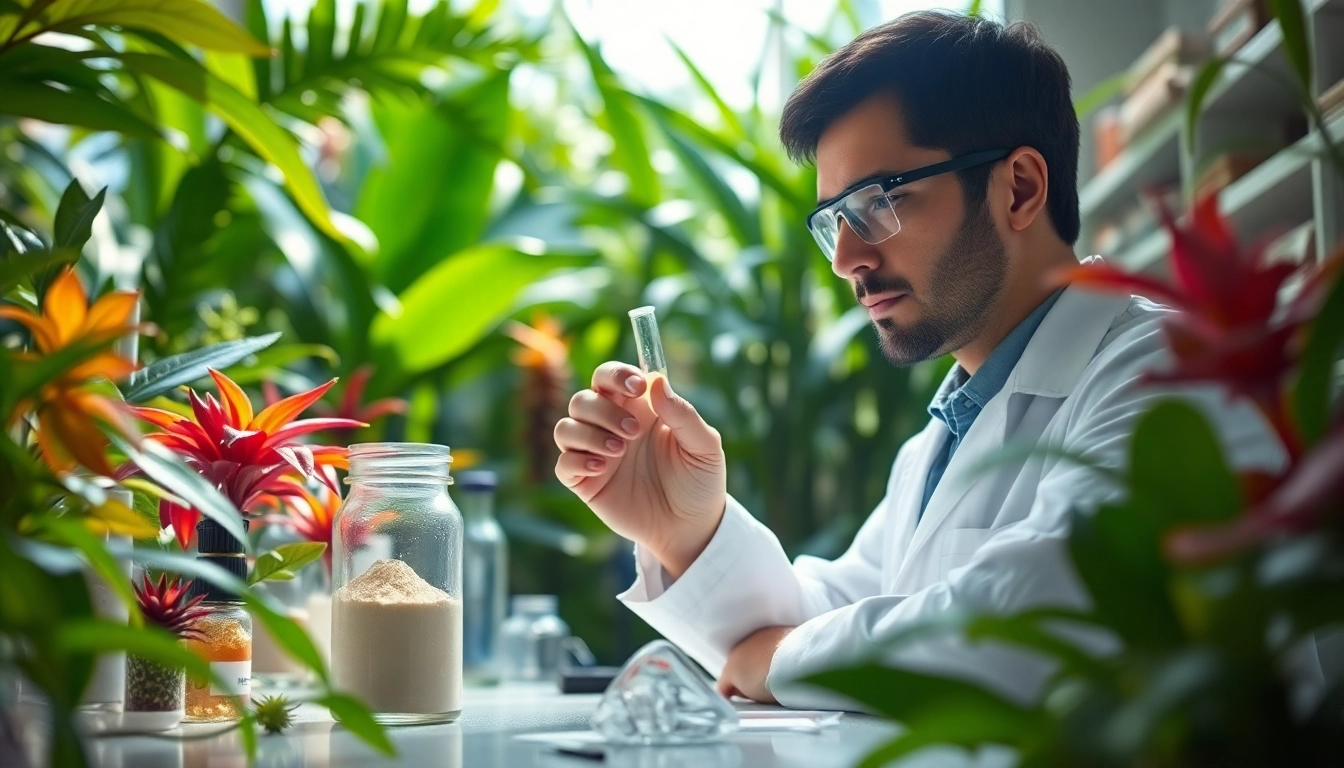
Introduction to DMT and Its Natural Sources
DMT (N,N-Dimethyltryptamine) is a powerful hallucinogenic compound found in various plants and can also be synthesized in controlled environments. It possesses a unique structural similarity to neurotransmitters, notably serotonin, which contributes to its profound psychological effects. Understanding how to get dmt involves delving into its sources, methods of extraction, and legal implications.
What is DMT?
DMT is a naturally occurring psychedelic substance known for its intense effects when consumed. Classified as a tryptamine, it holds significance in various cultural and spiritual contexts, particularly among indigenous communities that use it in traditional rituals. DMT can produce vivid visual and auditory hallucinatory experiences, often described by users as deeply spiritual or transformative.
Naturally Occurring DMT Sources
DMT is found in various plant species, which serve as the primary natural sources for the compound. Some notable plants include:
- Psychotria viridis: Known for its use in ayahuasca brews, it contains significant amounts of DMT.
- Mimosa hostilis: This root bark is renowned for its high DMT content and has been used for centuries in traditional healing practices.
- Diplopterys cabrerana: Another plant used in ayahuasca, it contains DMT and other psychoactive alkaloids.
The Role of Plants in DMT Extraction
These plants contain alkaloids that can be extracted using various methods. For instance, Mimosa hostilis is often extracted using acid-base extraction techniques, stripping the plant material of its psychoactive components. Plant materials undergo a careful process to ensure the extraction yields not only purity but also potency.
Understanding the Extraction Process
How to Get DMT from Plants
The extraction process typically involves several steps, starting with the selection of a plant high in DMT content. Common methods include:
- Acid-Base Extraction: This method uses acid to break down the plant material, allowing for an easier extraction of DMT with a base like sodium hydroxide to convert the alkaloids into a freebase form.
- Cold Water Extraction: This milder method can sometimes yield DMT from specific plant mixes without harsh chemicals.
Chemical Synthesis of DMT
In addition to extraction from plants, DMT can also be synthesized in a lab using various chemical processes. This method may offer more control over purity and potency, as the synthesis can be fine-tuned. However, the legality and safety of synthetic production raise concerns due to the potential for misuse and associated risks.
Safety Considerations for Extraction
Safety is paramount when extracting DMT. Users should ensure they follow safe handling practices, including wearing protective gear and working in a controlled environment. Understanding the legal ramifications of possessing and using DMT is also critical, as unintended legal consequences could arise.
Legal Status and Regulations Surrounding DMT
DMT Legal Status in the U.S.
In the United States, DMT is classified as a Schedule I controlled substance under the Controlled Substances Act. This classification indicates a high potential for abuse, with no accepted medical use. As such, possession, distribution, or manufacturing of DMT is illegal. Understanding the intricacies of DMT laws is vital for potential users and suppliers.
International Laws on DMT
Globally, DMT's legal status varies from country to country. In some nations, it may be entirely banned, while others may tolerate its use within specific cultural or religious practices. Countries like Brazil, where ayahuasca is used ceremonially, exhibit more leniency towards DMT use.
Implications for Users and Producers
The legal landscape surrounding DMT poses significant risks for both users and potential producers. Engaging in activities associated with DMT can lead to legal repercussions, making it essential for individuals to remain informed about the laws specific to their local jurisdictions.
Health Risks and Benefits of Using DMT
Potential Therapeutic Uses of DMT
Current research indicates potential therapeutic avenues for DMT, particularly in mental health treatment. Studies are exploring its effects on depression, PTSD, and anxiety, suggesting that the profound psychological experiences facilitated by DMT may offer therapeutic benefits beyond traditional methods.
Possible Side Effects
While many users report positive experiences, DMT can also lead to adverse effects, which may include:
- Increased heart rate
- Intense anxiety and paranoia
- Nausea and vomiting
Monitoring dosage and environment is critical to mitigate these effects.
Assessing Individual Health Risks
Each individual's health status significantly influences the risks associated with DMT use. Anyone considering DMT should consult healthcare professionals, particularly individuals with a history of mental health disorders or cardiovascular issues.
Getting Help and Resources for DMT Use
Available Support Services
Support services are available for those struggling with substance use or seeking guidance on DMT. Organizations such as SAMHSA provide confidential help and resources, aiding individuals in navigating their experiences and related challenges.
Online Communities and Educational Resources
Numerous online communities and resource platforms provide platforms for individuals to share experiences, seek advice, and learn more about DMT. Engaging with these communities can offer insights into safe practices and different perspectives on use.
Frequently Asked Questions about DMT
What is DMT commonly used for?
DMT is primarily used for its hallucinogenic effects in spiritual and ceremonial contexts, as well as in explorations of consciousness.
Is DMT safe to use?
DMT can pose risks, especially for individuals with underlying health issues. Safety considerations, including dosage and environment, are crucial.
Can DMT be legally obtained?
In most areas, DMT is illegal to possess, manufacture, or distribute due to its Schedule I classification in the U.S.
What are the effects of DMT?
DMT can induce intense visual and auditory experiences, often described as immersive and deeply spiritual or existential.
Are there medical studies on DMT?
Yes, ongoing research is investigating DMT's potential therapeutic uses, particularly in treating mental health conditions like depression and PTSD.