Understanding Cheap Colocation Services
In the world of data management and IT infrastructure, businesses are often on the lookout for effective solutions that optimize both performance and costs. One such solution that has gained traction is cheap colocation. This article delves into the concept of colocation, its benefits, pricing models, and important considerations when selecting a provider, aimed particularly at small to medium-sized businesses seeking cost-effective options.
What is Colocation?
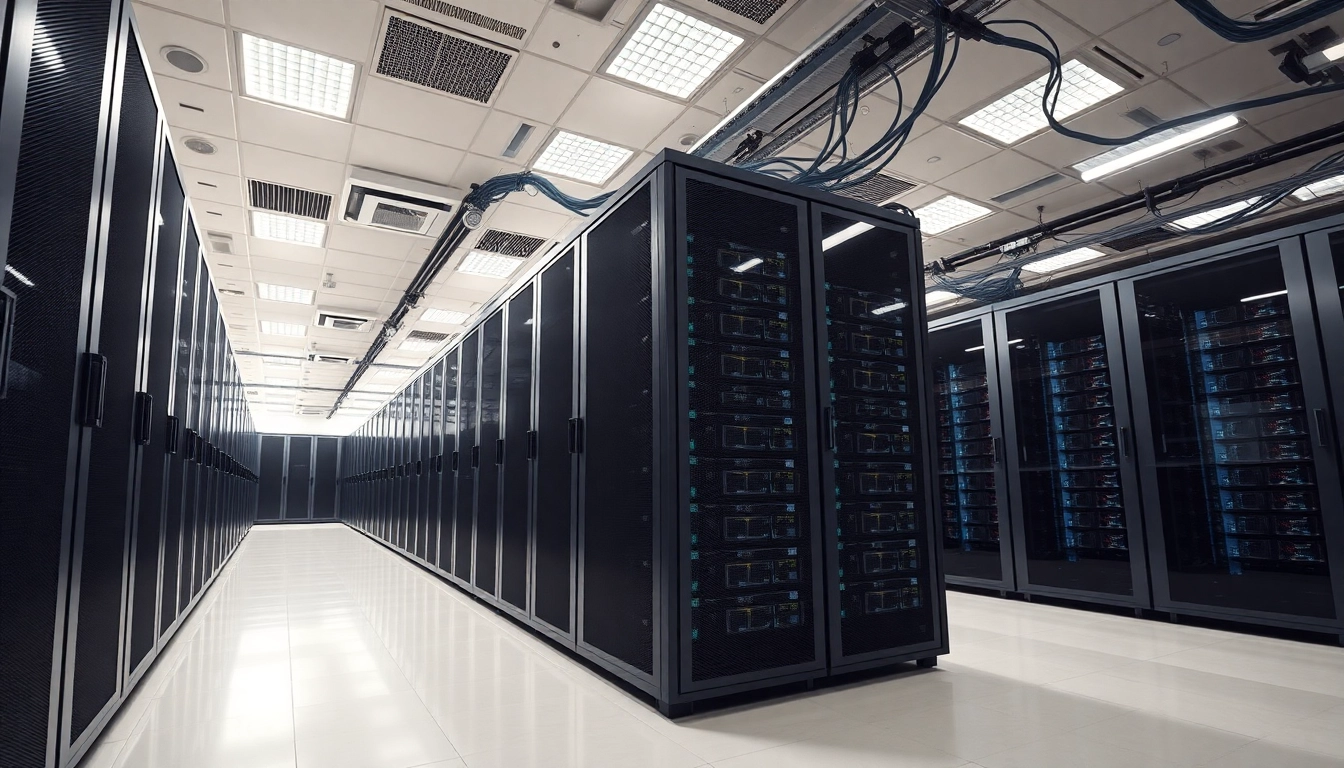
Colocation refers to a service offered by data centers whereby businesses can rent space for servers and other computing hardware. Instead of housing these servers on-site, organizations can place them in facilities designed specifically for this purpose. Colocation facilities provide essential services such as power, cooling, physical security, and internet connectivity, ensuring that client hardware is operational and accessible at all times.
Benefits of Cheap Colocation
Utilizing cheap colocation services presents multiple advantages:
- Reduced Capital Expenditure: By colocating their servers, businesses can eliminate significant upfront costs associated with building and maintaining their own data centers.
- Scalability: Companies can easily increase or decrease their server space as needed without worrying about infrastructure changes.
- Enhanced Reliability: With professional data centers, businesses receive access to sophisticated technology and redundancies that ensure uptime and performance.
- Improved Security: Many colocation providers offer enhanced physical security measures, including surveillance and biometric access controls, which bolster the protection of sensitive data.
- Expert Support: Many colocation service providers have IT professionals on staff, offering customers around-the-clock support and management for their hardware.
Typical Costs and Pricing Models
The costs associated with colocation can vary widely based on several factors. Providers typically have distinct pricing models based on space, power usage, bandwidth, and additional services. Here are the most common structures:
- Per Rack Unit: Colocation services are often billed per rack unit (U), with standard servers measuring 1U to 4U. Prices generally range from $35 to $150 per month for 1U space.
- Partial or Full Rack: Businesses can rent a partial or full rack, with prices ranging from $200 to $2,000+ per month depending on the facility and services included.
- Power Consumption: Prices may also include a charge per kilowatt (kW) used. This is vital as it significantly impacts the overall cost, with standard rates in the U.S. averaging around $163.44 per kW.
Factors to Consider When Choosing Cheap Colocation
When evaluating cheap colocation providers, it’s essential to consider multiple factors to ensure you select the best facility for your needs:
Location of Data Centers
The geographic location of a colocation data center can greatly affect latency, disaster recovery options, and access to network backbones. Key considerations include:
- Proximity: Choose a location that is easily accessible for maintenance and troubleshooting.
- Disaster Risk: Evaluate areas prone to natural disasters; selecting locations with lower risks will enhance your data's safety.
- Connectivity Options: Ensure that the data center has reliable connections to major ISPs and connectivity networks to maximize your operational efficiency.
Security and Reliability Standards
Security is paramount when choosing a colocation provider. Look for:
- Physical Security: Ensure the facility has 24/7 surveillance, biometric access controls, and secure entry protocols.
- Certifications: Data centers should have industry-standard certifications such as SSAE 16, ISO 27001, and others as relevant to your needs.
- Reliability Metrics: Evaluate the provider’s Service Level Agreements (SLAs) regarding uptime. A well-established provider should guarantee at least 99.99% uptime.
Bandwidth and Connectivity Options
Bandwidth requirements are crucial, especially for businesses dealing with significant data traffic. Key aspects include:
- Data Transfer Rates: Understand how much data can be transferred in a given month and additional costs for exceeding limits.
- Multiple Carrier Access: A provider offering access to multiple internet services can help ensure redundancy and improved performance.
- Managed Services: Some providers offer management services for load balancing and DDoS mitigation, which could be beneficial for your operations.
Comparing the Best Cheap Colocation Providers
Several colocation providers have emerged offering competitive prices without compromising on quality. Here’s a look at notable players in the market:
Sectorlink: Affordable Options Available
Sectorlink is gaining popularity among small businesses, offering colocation starting at around $69 per month for 1U. They emphasize customer service and flexibility, making them suitable for startups that require scalable solutions.
Monkeybrains: Unique Selling Points
With rates as low as $35 per month, Monkeybrains serves San Francisco with robust colocation options. They focus on utilizing low-cost technologies while maintaining an emphasis on customer support and service flexibility.
Colocation America: Reliability and Cost-Effectiveness
Colocation America offers a wider range of pricing structures and reliability standards. They provide full rack solutions and have data centers in major connectivity hubs, making them a strong option for companies with varied connectivity requirements.
Tips for Reducing Colocation Costs
Reducing the overall costs associated with colocation can be accomplished through several strategies:
Negotiating Contracts with Providers
Many providers are open to negotiating contracts, particularly for long-term commitments. A few tips include:
- Long-Term Contracts: Providers may offer better rates for multi-year agreements.
- Bundling Services: Consider bundling additional services (like managed backups or monitoring) with your colocation agreement for better pricing.
- Referrals: If you are part of a larger network, using referrals to negotiate better deals can be effective.
Utilizing Energy Efficient Solutions
Deploy energy-efficient hardware can reduce power consumption significantly:
- Server Virtualization: Maximize hardware utilization through virtualization technologies.
- Upgrading Hardware: Newer servers often use less power than older models which can greatly decrease your overall bills.
- Cooling Solutions: Certain cooling solutions can also lead to reduced costs and energy usage over time.
Scaling Your Services as Needed
One of the most significant advantages of colocation is scalability:
- Be Mindful of Growth: Invest in the space and services you need today; do not overcommit based on potential growth which could inflate costs.
- On-demand Add-Ons: Leverage your provider’s ability to easily scale services as your business grows.
Future Trends in Cheap Colocation
As the industry evolves, several trends are influencing the landscape of cheap colocation:
Growing Importance of Green Data Centers
With rising awareness of environmental impact, many colocation providers are now focusing on sustainability:
- Utilization of Renewable Energy: Many data centers are sourcing power from renewable sources to enhance their sustainability metrics.
- Efficient Cooling Methods: Innovations such as liquid cooling systems are being implemented to reduce energy consumption.
Impact of Cloud Computing on Colocation Pricing
The rise of cloud computing impacts traditional colocation pricing models:
- Hybrid Solutions: Many businesses are looking for hybrid solutions that combine the reliability of colocation with the flexibility of cloud services.
- Competitive Pricing: As more companies enter the market, the competition can lead to lower prices for businesses seeking colocation services.
Evolving Security Measures in Colocation Facilities
As cyber threats grow more sophisticated, so too do the security measures employed by colocation providers:
- Advanced Threat Detection: Investing in technologies that provide real-time monitoring and threat detection can fortify data protection.
- Regular Audits: Providers are increasingly conducting regular security audits and providing clients with compliance reports.
In conclusion, as businesses look for economical solutions for their IT infrastructure, exploring cheap colocation options presents a viable path. By examining the advantages, understanding the pricing structures, and being aware of future trends, organizations can make informed decisions that bolster their operational efficiency while controlling costs.